Home / Environment / Satellites Expose Invisible Methane Super-Polluters
Satellites Expose Invisible Methane Super-Polluters
10 Nov
Summary
- Satellites detect invisible methane super-emitters from space.
- Methane traps 80 times more heat than CO2 in the short term.
- Global methane levels continue to rise despite available tech.
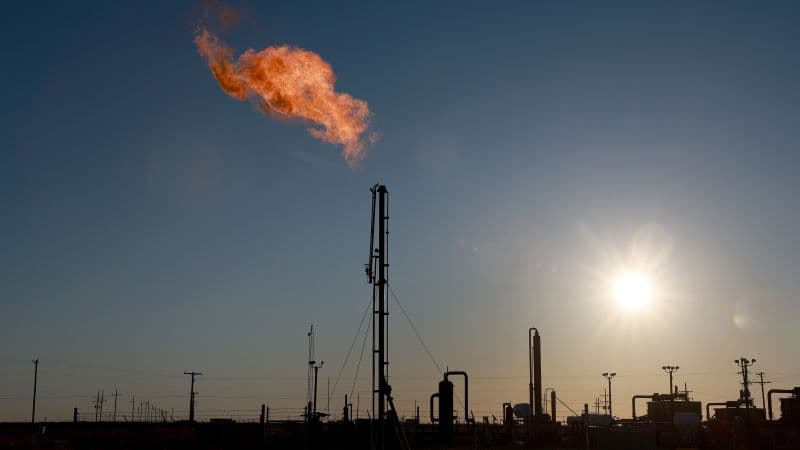
Satellites are now monitoring the planet for invisible methane super-emitters, a significant contributor to climate change. These high-resolution images pinpoint sources like oil and gas operations, landfills, and coal mines that release large amounts of methane. Although carbon dioxide is the primary driver of climate change, methane is a far more potent heat-trapping gas over shorter periods, responsible for approximately 30% of current global warming.
Addressing methane presents a rapid pathway to reducing global temperatures, with benefits observable within a lifetime. However, global methane levels have been rising and reached unprecedented highs in 2025. China, the US, and Russia were the largest methane polluters last year. Despite technology existing to cut around 70% of emissions from fossil fuel production, efforts remain fragmented and insufficient, with some nations backtracking on regulations.
The fossil fuel industry accounts for about 35% of human-produced methane, and its emissions show no signs of falling. Notably, the Trump administration recently announced plans to significantly weaken Biden-era methane regulations for the oil and gas industry. Similarly, the European Union approved a delay for rules requiring methane pollution reporting from energy importers. These rollbacks are attributed to intense pressure from fossil fuel interests.
Despite these setbacks, some positive signs exist. Methane pollution from the oil and gas industry has remained relatively flat despite rising production. Certain companies are improving methane measurement and reduction, and some countries have seen fewer super-emitting events. Several US states, like California and New Mexico, maintain their own methane regulations. Experts emphasize the critical need for strong government leadership and industry norm changes, as managing methane pollution offers economic benefits and is crucial for mitigating climate extremes.


