Home / Environment / Tribes Face Mercury Threat After Pollution Rollback
Tribes Face Mercury Threat After Pollution Rollback
19 Mar
Summary
- Trump administration rolled back Obama-era mercury pollution rules.
- Colstrip power plant emits significant mercury, impacting tribes.
- Native American tribes are at higher risk due to traditional diets.
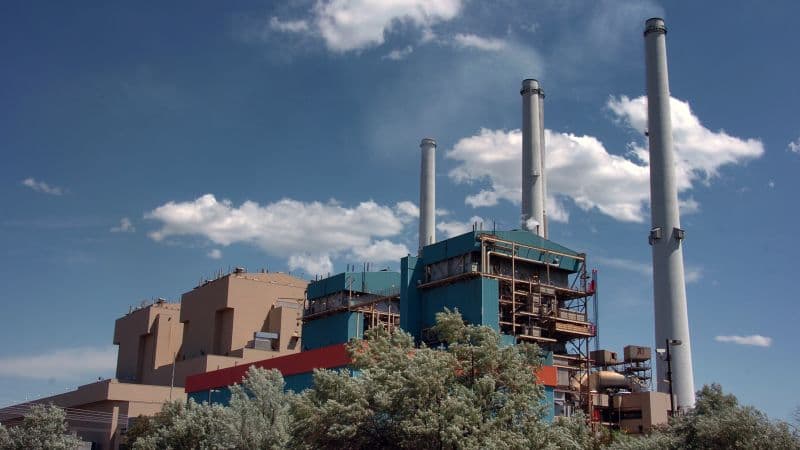
The Trump administration has reversed a key environmental regulation aimed at reducing mercury emissions from power plants. This move disproportionately impacts Native American tribes, including the Northern Cheyenne in Montana, who rely on local waterways for sustenance and recreation. The Colstrip power plant, a significant emitter of mercury, poses an invisible threat as the toxin bioaccumulates in fish.
These reversals reopen loopholes for plants burning lignite coal, which contains higher levels of mercury. While previous regulations achieved a 90% reduction in pollution, the current EPA considers this sufficient, despite concerns from communities and experts. The rollback could have serious health implications, particularly for pregnant women and children, due to mercury's neurotoxic effects.
Colstrip, identified as the nation's dirtiest power plant, has historically lagged in installing pollution controls. Despite emitting less mercury than some other lignite plants, its continued pollution and the recent regulatory rollback raise alarms. Environmental advocates argue that available technologies could mitigate these risks without excessive costs, underscoring the health and environmental stakes for vulnerable populations.