Home / Environment / Melting Snow: A Hidden Pollution Threat
Melting Snow: A Hidden Pollution Threat
23 Feb
Summary
- Snowpack absorbs contaminants from vehicle exhaust and road salt.
- Melting snow releases toxins, significantly raising air pollution levels.
- Green spaces and reduced road salt can mitigate pollution risks.
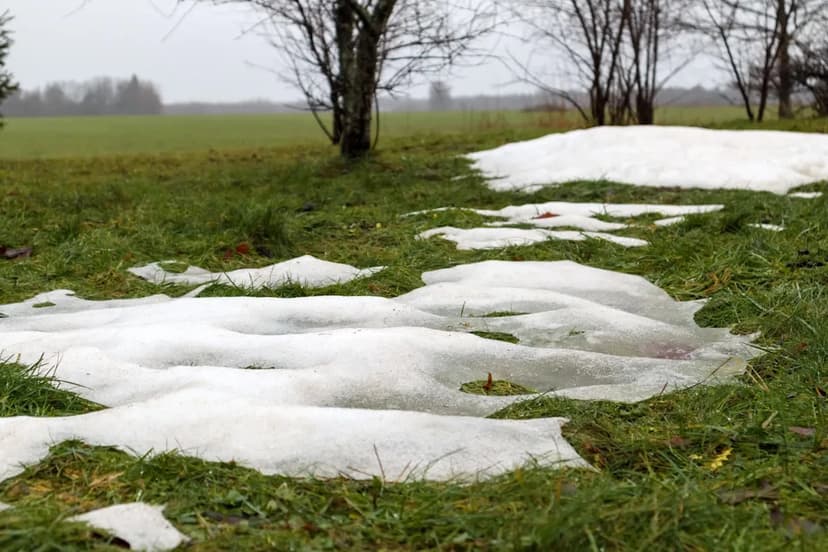
Millions of Americans faced a hidden danger following a recent historic snowstorm as the prolonged cold began to recede. Weeks of accumulated snow, which had quickly iced over due to persistent low temperatures, started melting, releasing a cocktail of absorbed pollutants.
Studies indicate that snowpack can absorb a wide range of contaminants, including vehicle exhaust, road salt, and heavy metals. As this snow melts, these toxins are released, leading to shockingly high levels of air pollution. This subtle, often overlooked risk can have severe health implications, particularly for children and individuals with respiratory conditions like asthma.
Public health officials are urging awareness of these risks, as air quality indices have reached concerning levels in affected areas. To combat this issue, strategic placement of green spaces to absorb runoff, exploring alternatives to road salt, and practicing responsible snow removal techniques are recommended. These measures aim to mitigate environmental damage and protect public health as extreme weather events become more frequent.