

Home / Environment / Rare Earth Mines Pollute Mekong, Destroying 'World's Kitchen'
Rare Earth Mines Pollute Mekong, Destroying 'World's Kitchen'
29 Apr
Summary
- Rare earth mining runoff contaminates Mekong River with toxic heavy metals.
- Millions in Southeast Asia face existential threat from polluted waters.
- Food exports are imperiled as toxins seep into Thailand's crops.
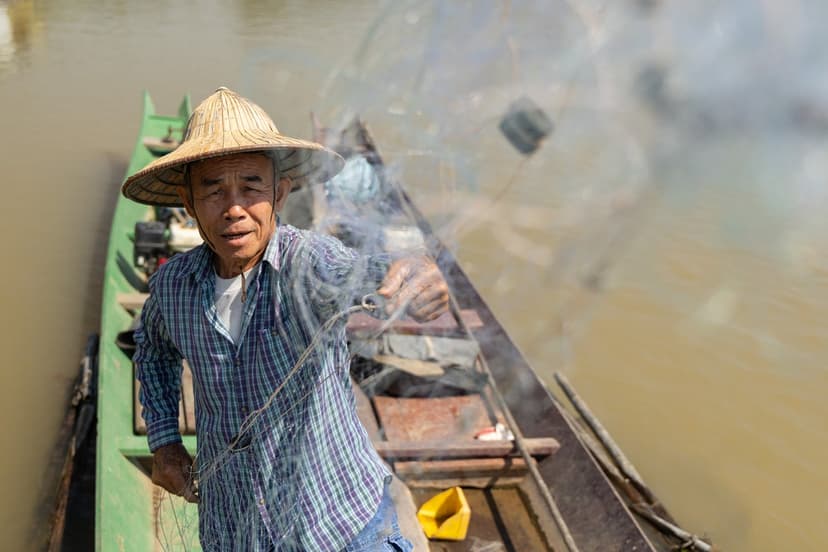
The Mekong River, a vital lifeline for 70 million people across mainland Southeast Asia, is facing an existential threat from unregulated rare earth mining. Toxic runoff, laden with heavy metals like arsenic, mercury, lead, and cadmium, is seeping into the river and its tributaries, imperiling communities that rely on it for agriculture and fisheries.
Upstream mining operations, particularly in war-torn Myanmar and expanding into Laos, are the source of this pollution. This contamination risks not only the local environment but also global food exports from Thailand, impacting rice, garlic, and fruit markets. Scientists are monitoring high levels of heavy metals, with observed effects on fish and potentially severe health risks for humans, including cancer and developmental harm.
Despite the growing crisis, regional solutions remain limited due to factors like smuggling and ongoing civil unrest in Myanmar. Efforts are focused on monitoring, community education, and developing citizen-science tools, but the rising global demand for rare earths, crucial for modern technology and military hardware, suggests the problem is far from over.
