Home / Environment / Horse Droppings Choke India's Eco-Friendly Hill Station
Horse Droppings Choke India's Eco-Friendly Hill Station
3 Feb
Summary
- Horse droppings identified as primary pollution source in Matheran.
- Air, water, and soil quality severely degraded by equine activity.
- NGT seeks long-term solutions, including horse population regulation.
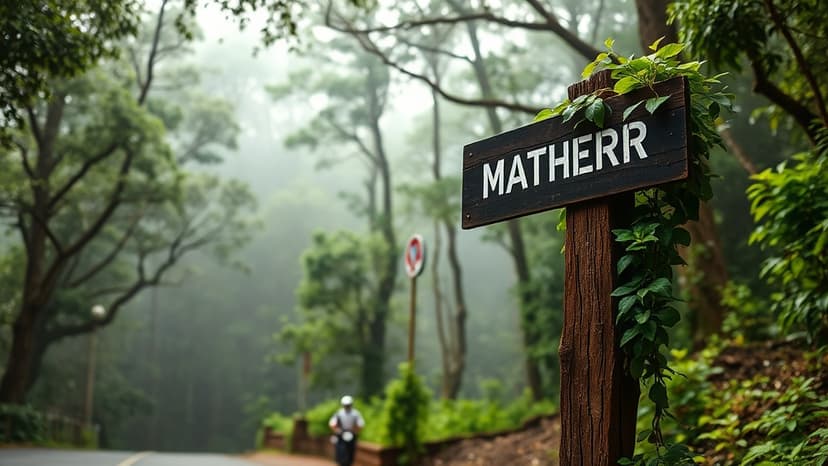
The National Green Tribunal (NGT) has identified horse droppings as the primary source of pollution, sustained air, water, and soil degradation in Matheran, a unique eco-sensitive zone and India's only vehicle-free hill station. A recent report examined by the NGT revealed that PM₁₀ and PM₂.₅ levels exceeded standards due to equine dung and dust from unpaved roads. SO₂ and NO₂ pollutants, however, remained within control, indicating a non-industrial pollution source.
Water quality assessments showed E. coli counts violating drinking water norms, confirming fecal contamination from horses. Heavy metals were also detected in water samples. Soil contamination was widespread, with fecal indicator bacteria and Salmonella found, amplified by monsoon runoff. Equine activity at its current scale is deemed environmentally unsustainable.
Experts recommend strict regulation and phased reduction of horse populations, relocation of stables outside the eco-sensitive zone, and zoning of equine routes. Continuous environmental monitoring for 3-5 years is advised. The NGT is considering these measures to transform Matheran into a model for managed eco-tourism.