Home / Environment / Mass. Enviro Rules Slow Green Transit?
Mass. Enviro Rules Slow Green Transit?
9 Jan
Summary
- Environmental reviews can cost up to $1 million.
- Zero-emission rail projects may soon skip impact reports.
- Transportation is Mass.'s largest emission source.
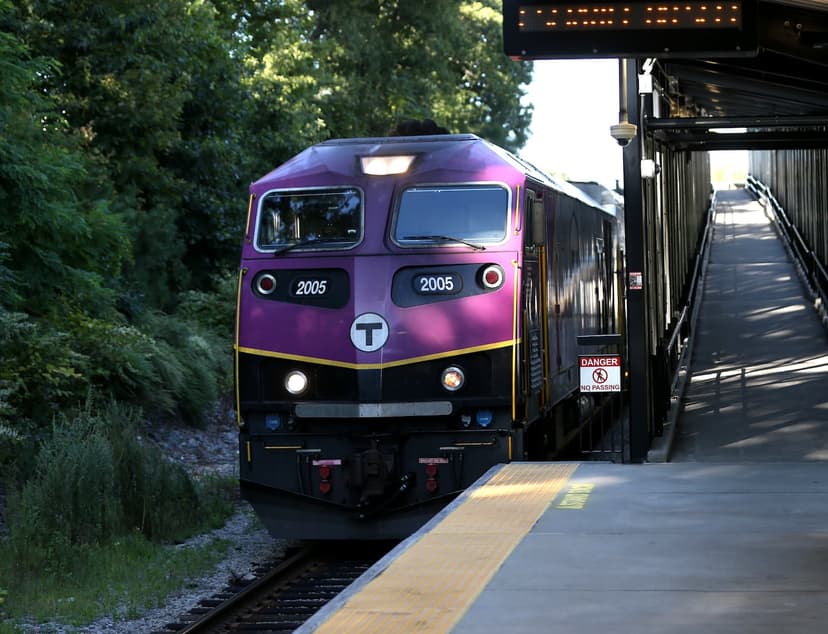
Massachusetts is grappling with a debate over its environmental review process, the Massachusetts Environmental Policy Act (MEPA), and its potential to impede the development of greener transportation infrastructure. Skeptics question whether current regulations are a substantial barrier, suggesting that bureaucratic inertia, rather than environmental concerns, often delays projects. Established in the 1970s, MEPA mandates detailed impact reports, especially for projects near environmental justice populations, ensuring awareness of potential consequences.
Advocates for streamlining argue that lengthy and costly environmental reviews, which can take nine to 12 months and cost up to $1 million, unnecessarily delay projects crucial for achieving the state's net-zero emissions goal by 2050. The transportation sector accounts for 37 percent of Massachusetts' emissions. Proposed legislation seeks to exempt zero or low-emission rail projects and other transit initiatives from these rigorous reviews, aiming to expedite the transition to cleaner alternatives like electrified rail service planned for 2028.
However, others caution that removing environmental assessments could have minimal impact on permitting timelines due to other existing regulations and might sacrifice valuable public input. They emphasize that MEPA's original intent was to ensure thorough consideration of project impacts, a vital safeguard for communities. The discussion highlights a tension between the urgency of climate action and the established procedures designed to protect the environment.