Home / Environment / Ocean's Comeback: Kelp Forests Bloom After Trawling Ban
Ocean's Comeback: Kelp Forests Bloom After Trawling Ban
18 Mar
Summary
- Mussel beds now stretch over a kilometre following a fishing ban.
- Black sea bream numbers are increasing due to protected nesting sites.
- Marine habitats are recovering after five years of no bottom trawling.

A significant transformation is occurring beneath the waves off the Sussex coast, five years after a ban on bottom trawling took effect. The Sussex Kelp Recovery Project reports extensive mussel beds, some spanning over a kilometre, and a notable increase in black sea bream populations. These improvements are attributed to a byelaw enacted in 2021, which protected a 117 sq mile area between Shoreham and Selsey.
The protected habitats are crucial for species like the black sea bream, which nest on the seabed and were vulnerable to trawling. Video surveys have confirmed rising numbers of this commercially important fish. Restored marine environments also offer benefits such as coastal protection and support for sustainable fishing practices.
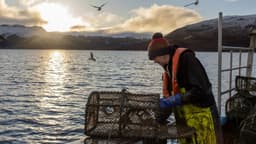
Conservation efforts are showing tangible results, with local fishers and divers contributing valuable observations. This recovery underscores the importance of marine protected areas and the positive impact of policies that allow underwater ecosystems the space needed to regenerate.