Home / Environment / Maoists Feared Bison More Than Tigers in Indian Forests
Maoists Feared Bison More Than Tigers in Indian Forests
15 Mar
Summary
- Maoist rebels learned to coexist with tigers but feared Indian bison.
- Gaurs, or Indian bison, frequently disrupted Maoist movements and patrols.
- Animal alarm calls served as early warnings against security forces.
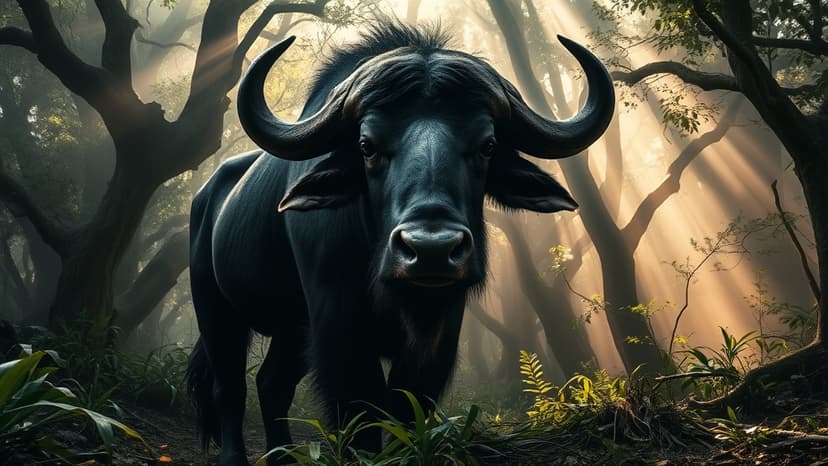
Surrendered Maoist commanders from central India have shared rare insights into how wildlife influenced their operations in forest areas near Kanha National Park. They reported learning to coexist with tigers, noting that the predators generally avoided confrontation. However, the Indian bison, or gaur, proved to be the most disruptive animal, frequently charging and blocking trails, which forced Maoist squads to abandon planned routes and sometimes even leave supplies behind.
These former insurgents also described how various animals acted as natural alarm systems against security forces. Sudden calls from monkeys, birds, or the panicked flight of deer often signaled approaching police or military patrols, granting the Maoists valuable time to scatter or change direction. While encounters with sloth bears were also dangerous, commanders indicated that gaurs posed a more significant and less predictable threat.
Forest officials confirm that the region is home to a high density of gaurs, known for their territorial nature and powerful charges, making them formidable obstacles for anyone traversing the jungle. The accounts from these surrendered Maoists offer a unique perspective on survival within these challenging forest environments, highlighting the unexpected dangers and aids provided by the local fauna.