Home / Environment / Breathe Easier: How LEZs Combat Urban Smog
Breathe Easier: How LEZs Combat Urban Smog
24 Feb
Summary
- Low Emission Zones restrict polluting vehicles to improve air quality.
- Transport sectors contribute significantly to harmful PM2.5 emissions.
- London's LEZs and ULEZs demonstrated substantial air quality improvements.
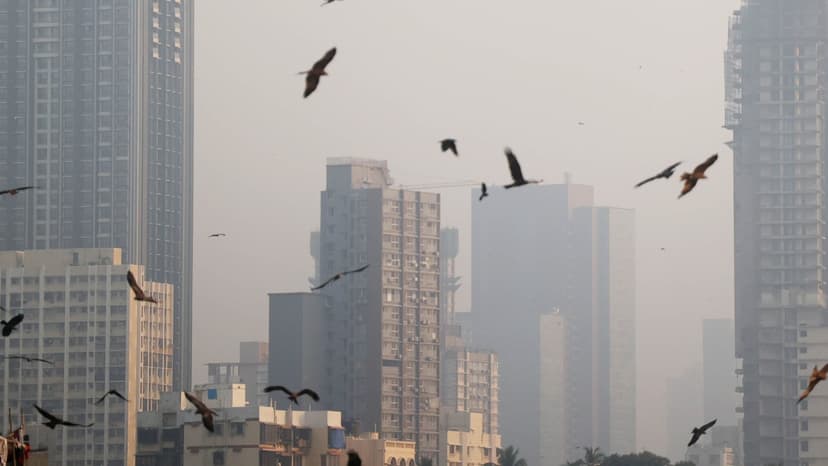
A new study suggests that policy interventions like Low Emission Zones (LEZs) can effectively encourage a shift to cleaner vehicles. LEZs designate areas where highly polluting vehicles are banned or charged, thereby improving urban air quality.
Vehicles are a major source of air pollution, with transport sectors contributing nearly 50% of Particulate Matter 2.5 (PM2.5) emissions. These fine particles pose health risks, particularly to vulnerable populations.
Globally, cities like London, Seoul, and Brussels have implemented LEZs to combat vehicular emissions. London's LEZ, introduced in 2008, and its subsequent Ultra Low Emission Zone (ULEZ) in 2019, have demonstrably reduced PM10 and Nitrogen Dioxide levels, leading to cleaner air.
In India, cities like Pimpri-Chinchwad are considering LEZs, which could drastically cut PM2.5 emissions. However, establishing LEZs requires addressing legal frameworks and stakeholder roles, as seen in ongoing discussions for technological and enforcement aspects.