Home / Environment / Decade-Old Planting Thrives: Wood Blooms Anew
Decade-Old Planting Thrives: Wood Blooms Anew
12 Dec, 2025
Summary
- Nearly 100,000 native trees planted in 2008 have matured.
- Former farmland now hosts thriving young deciduous woodland.
- Wildlife like jays and migrating birds benefit from the growth.
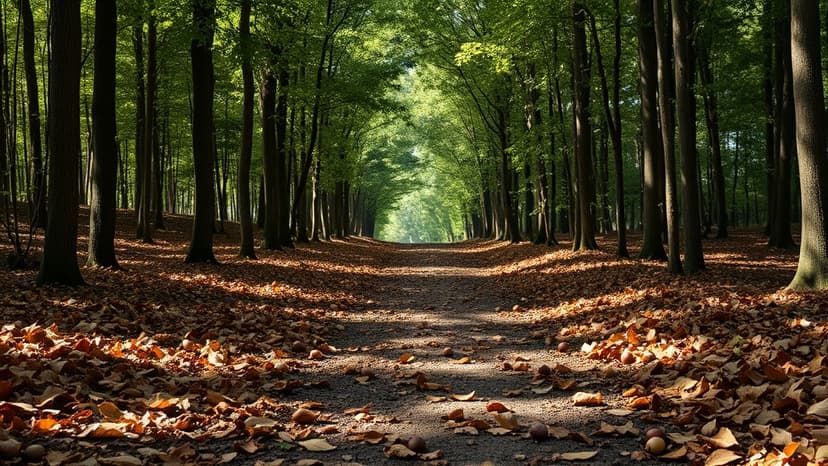
Low Burnhall Wood, a two-mile stretch south of Durham city centre, showcases a remarkable transformation from farmland to flourishing woodland. In 2008, the Woodland Trust purchased the land and planted 94,500 mixed deciduous trees. These trees, many now reaching five metres in height, have revitalized the River Wear valley.
The young forest is already a haven for wildlife. Berries from hawthorn and rowan trees provide sustenance for migrating redwings and fieldfares, while siskins and redpolls feed on birch and alder seeds. This year's abundant acorn production from juvenile oaks suggests the woodland is becoming self-sustaining.
Walking through the wood now evokes an authentic autumn atmosphere, with the earthy scent of decay and the rustle of falling leaves. The presence of wary jays, accidental planters of acorns, further enhances the woodland's natural cycle. This human-led restoration project has successfully reunited fragmented ancient woodlands, creating a vital ecosystem.