Home / Environment / Fire Restores Endangered Longleaf Pine Forests
Fire Restores Endangered Longleaf Pine Forests
4 Aug
Summary
- Wildfire was once viewed as an enemy, but now it's crucial for longleaf pine survival.
- Restoration efforts have revitalized over 1.8 million acres of longleaf pine habitat.
- Controlled burns stimulate native plant growth and support endangered species.
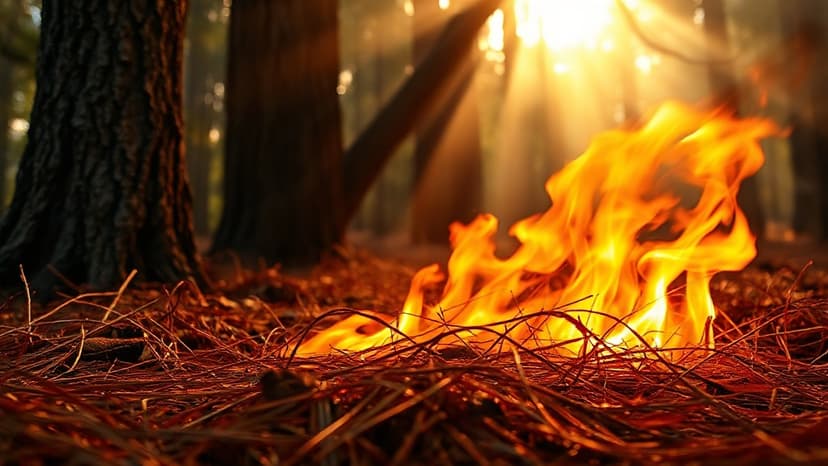
Wildfire, once perceived as a threat, is now recognized as essential for the survival of longleaf pine ecosystems in the southeastern United States. These forests, which evolved with frequent, low-intensity fires, require periodic burns to thrive. Without them, dense vegetation crowds out native species, impacting wildlife dependent on these fire-adapted environments.
The restoration initiative, launched in North Carolina in 1989 with a few small prescribed burns, has grown significantly. Decades of research, training, and partnerships have expanded these efforts. By 2025, over 1.8 million acres of longleaf pine habitat had been restored across the Southeast.
Prescribed burns serve multiple ecological purposes. They reduce accumulated vegetation that could fuel devastating wildfires and promote the growth of native plants like wiregrass, which rely on fire for germination. This revitalized habitat is crucial for threatened species such as the red-cockaded woodpecker and the Venus flytrap.
Modern techniques, including aerial ignition drones, enhance the safety and efficiency of prescribed burns. These operations are meticulously planned, adhering to strict protocols for objectives, weather conditions, and safety procedures. This collaborative approach underscores the importance of controlled fire in maintaining biodiversity and ecosystem resilience.


