Home / Environment / Livestock Surge Threatens Wildlife, Water Resources
Livestock Surge Threatens Wildlife, Water Resources
2 Jul
Summary
- Farmed animal numbers grew by half in two decades.
- Cropland for animal feed increased by a quarter.
- 90% of water withdrawn for irrigation grows animal feed.
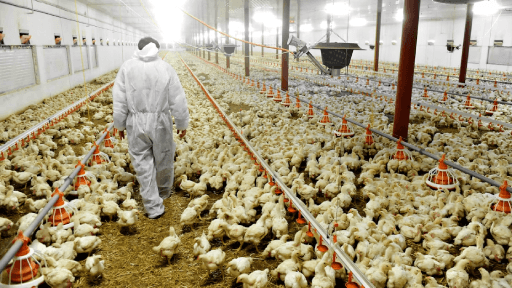
The number of mammals and poultry farmed worldwide has increased by half over the last two decades, research indicates. This significant rise has led to a quarter increase in cropland used for livestock feed, placing immense pressure on natural ecosystems.
This expansion coincides with declining agricultural land fertility and escalating water demand. Approximately 90% of water withdrawn for irrigation is now dedicated to growing animal feed. Consequently, wildlife and plant species are under threat, and the climate crisis is being worsened.
Campaigners warn that despite some efficiencies in greenhouse gas production per unit of meat, the sheer increase in livestock numbers, now exceeding 33 billion added globally in 20 years, negates progress. Emissions from livestock have grown by over a fifth since 2001.
Furthermore, increased fertilizer use and slurry dumping are creating oceanic dead zones, such as the one in the Gulf of Mexico. Experts urge a global shift away from meat-heavy diets and call on development banks to cease financing factory farming and align investments with sustainability.


