Home / Environment / Line 5 Tunnel Sparks Fierce Business Divide
Line 5 Tunnel Sparks Fierce Business Divide
2 Jul
Summary
- Businesses are split over Enbridge's Line 5 tunnel project.
- Concerns include safety, cultural sites, and environmental impact.
- Legal and regulatory battles continue for pipeline permits.
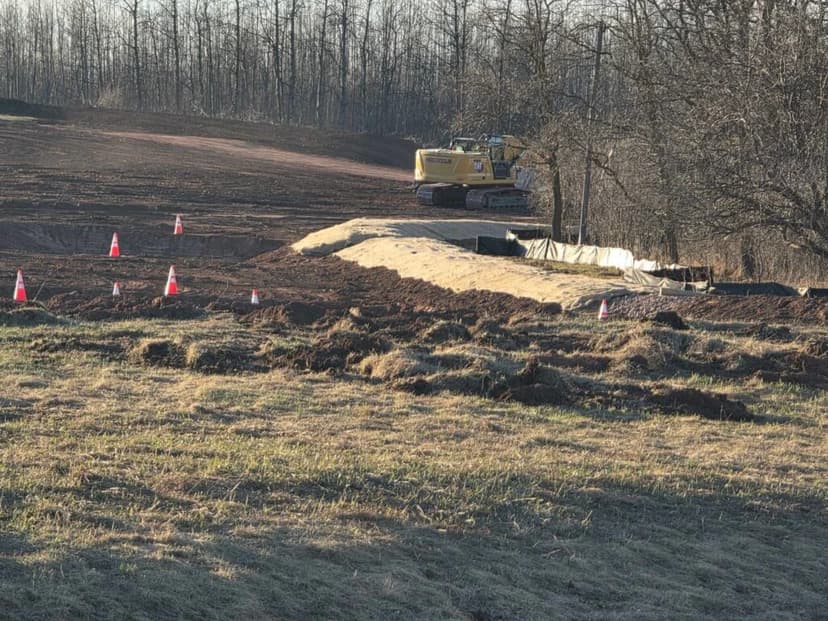
Business communities across the Great Lakes region are sharply divided over Enbridge's Line 5 tunnel project, which aims to replace a segment of the aging pipeline. A coalition of more than 200 business owners has formally requested that the Michigan Department of Environment, Great Lakes, and Energy reject permits for the proposed tunnel, urging others to join their opposition. This group, the Great Lakes Business Network, points to recent incidents, including a drilling fluid spill in Wisconsin during Enbridge's rerouting efforts, as evidence of operational risks.
Concerns extend beyond operational safety to include the tunnel's potential impact on cultural and sacred sites, particularly for tribal communities. Opponents also highlight the inherent risks associated with boring through unstable bedrock and navigating high water pressure and explosive gases. Enbridge maintains that the dual pipelines will be housed within a tunnel embedded in bedrock beneath the Straits of Mackinac, addressing previous concerns about anchor strikes and spills.
The project requires crucial permits from federal and state agencies, with some currently under review by the Michigan Supreme Court. Meanwhile, a counter-group, Great Lakes Michigan Jobs, representing thousands of Michigan businesses, has called for the renewal of a key wastewater discharge permit for Enbridge. This opposing stance underscores the contentious nature of the Line 5 project, with significant economic and environmental implications for the Great Lakes.
As of July 2, 2026, a deadline was set for business owners to submit signatures supporting the Great Lakes Business Network's opposition. The network aims to counter claims of broad business support for the project, emphasizing the economic importance of the Great Lakes to tourism, shipping, and jobs. This ongoing dispute highlights a fundamental disagreement on the future of energy infrastructure and its effect on vital natural resources.


