

Home / Environment / Leopards Roam Sukhna Sanctuary: Ecological Revival Triumph
Leopards Roam Sukhna Sanctuary: Ecological Revival Triumph
4 Apr
Summary
- Leopards have permanently established their home in Sukhna Wildlife Sanctuary.
- Decades of restoration transformed eroded slopes into a self-sustaining forest.
- Conservation efforts successfully reduced siltation threatening Sukhna Lake.
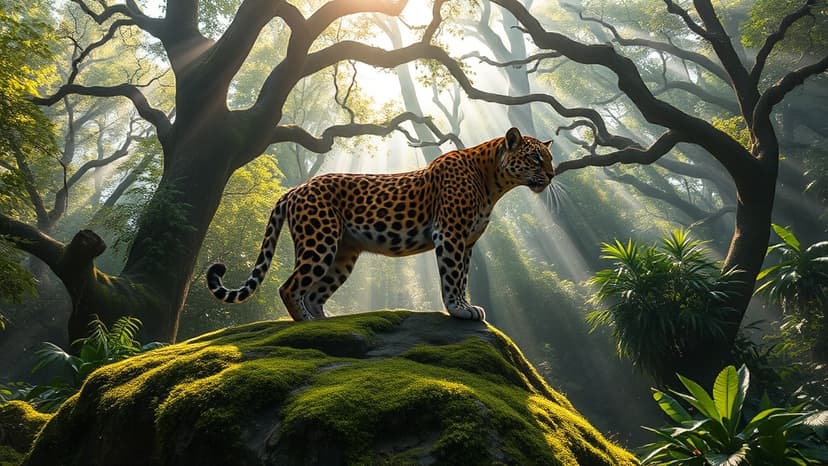
Sukhna Wildlife Sanctuary, spanning approximately 26 square kilometers near Chandigarh, is celebrating a significant ecological milestone with the confirmation of leopards thriving within its restored habitat. This success is the result of decades of intensive conservation work aimed at combating severe siltation that once threatened Sukhna Lake.
The sanctuary's transformation from barren, eroded slopes into a self-sustaining forest capable of supporting apex predators is a testament to dedicated efforts. Initial challenges included severe soil erosion and rapid siltation threatening Sukhna Lake's capacity, which by 1988 had lost an estimated 66% of its original storage.
Intensive measures involving vegetative and engineering interventions dramatically reduced siltation rates. These efforts led to the formal notification of the area as Sukhna Wildlife Sanctuary in March 1998. Today, the sanctuary boasts rich biodiversity, including sambar deer and over 150 bird species, with the leopards marking the apex of its revitalized food chain.
Recognized as a National Wetland, Sukhna Lake was declared a 'living entity' by the Punjab and Haryana High Court in 2020. An eco-sensitive zone of 2 to 2.75 km around the lake further protects this vital ecosystem, which now serves as Chandigarh's crucial ecological buffer.
