Home / Environment / Silent Invasion: The Invasive Lantana's Reign
Silent Invasion: The Invasive Lantana's Reign
26 Dec
Summary
- Lantana camara, a flowering plant, aggressively suppresses other vegetation.
- Its toxins harm livestock, yet its seeds are dispersed by animals.
- Tribal communities now repurpose Lantana into economic goods.
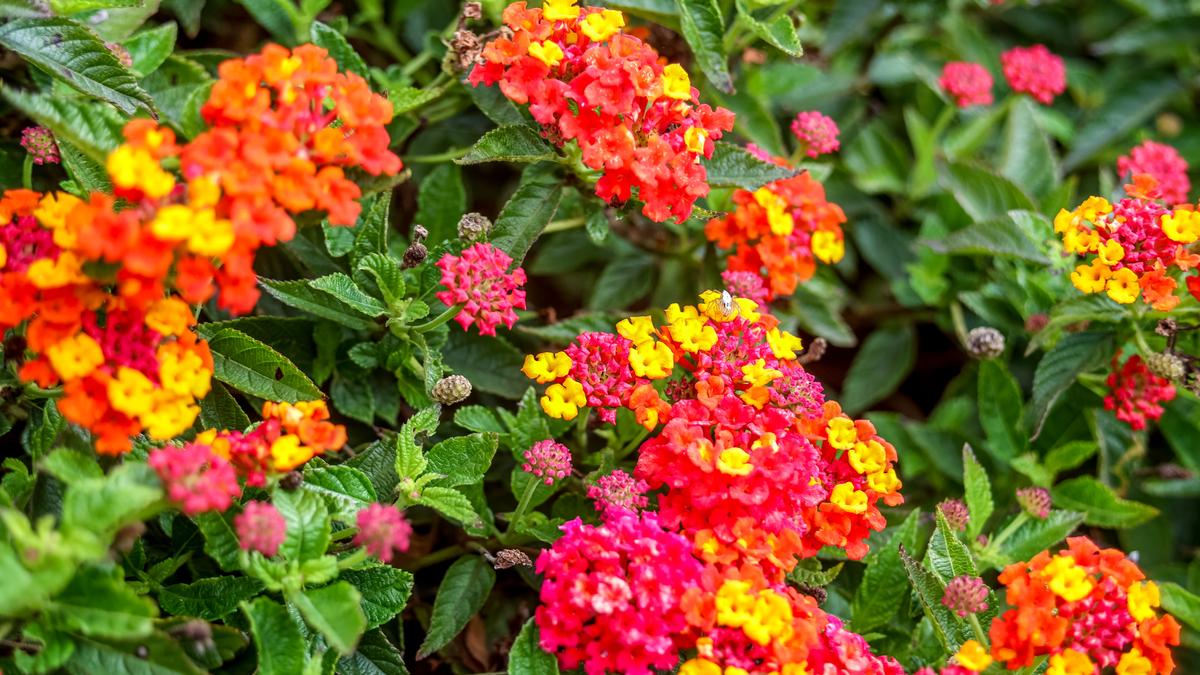
A silent invasion by the plant Lantana camara is currently underway, impacting tropical, subtropical, and warm temperate regions worldwide. This once-charming flowering shrub, originating from Central and South America, was introduced globally in the 17th century for its ornamental appeal. By the 19th century, it had escaped cultivation, aggressively spreading and suppressing native vegetation through chemical releases and resilience in poor soils.
Despite decades of control efforts, including manual removal, burning, herbicides, and the introduction of natural enemies, Lantana has proven incredibly difficult to eradicate. By December 2000, it was classified as one of the world's worst invasive species by the IUCN. Its aggressive growth, toxicity to livestock, and efficient seed dispersal by animals have cemented its status as a significant ecological challenge.