Home / Environment / Lancashire's Wildlife Gets New Habitats for Recovery
Lancashire's Wildlife Gets New Habitats for Recovery
14 Mar
Summary
- New habitats will be built to aid recovery of threatened species like hen harriers.
- Nearly 1,000 residents contributed to the Local Nature Recovery Strategy.
- A Local Habitat Map will guide conservation efforts across the county.
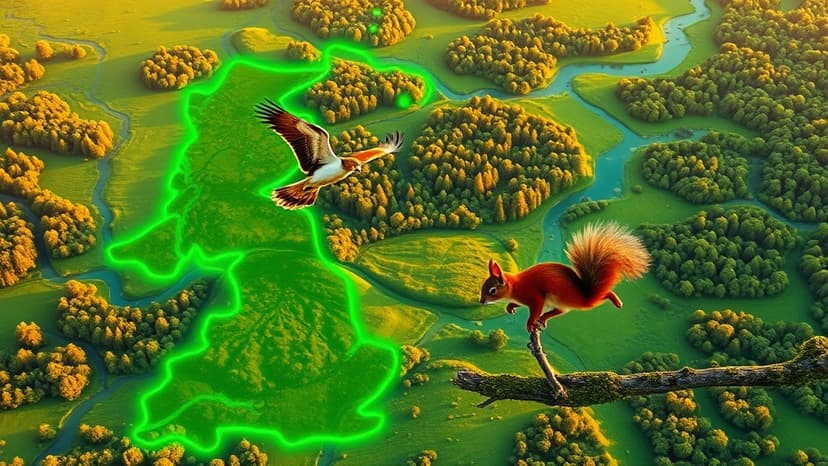
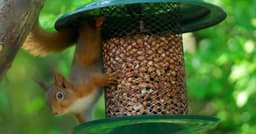
Lancashire County Council has unveiled a comprehensive plan to create new habitats for its most vulnerable wildlife. This Local Nature Recovery Strategy aims to support the restoration and recovery of species at risk, such as hen harriers, red squirrels, and Atlantic salmon.
The strategy is the result of over two years of collaborative work, involving nearly 1,000 residents, conservation groups, landowners, and businesses. It sets out clear objectives to restore habitats, reverse species decline, and enhance environmental resilience.
A key component is the Local Habitat Map, which pinpoints crucial areas for nature conservation. This map will serve as a vital guide for planners, developers, and environmental organizations to target their funding and conservation efforts effectively.
Councillor Joshua Roberts emphasized that the strategy will help local wildlife flourish. Natural England and the Lancashire, Manchester and North Merseyside Wildlife Trust have both praised the plan as a crucial tool for nature recovery.