Home / Environment / Lake Okeechobee Blooms: Drought Reveals Healthy Ecosystem
Lake Okeechobee Blooms: Drought Reveals Healthy Ecosystem
16 Aug
Summary
- Prolonged drought lowered water levels, allowing sunlight to reach submerged plants.
- State agencies dredged muck, planted native vegetation for ecosystem restoration.
- Lake Okeechobee's health depends on water levels, avoiding rapid rises from storms.
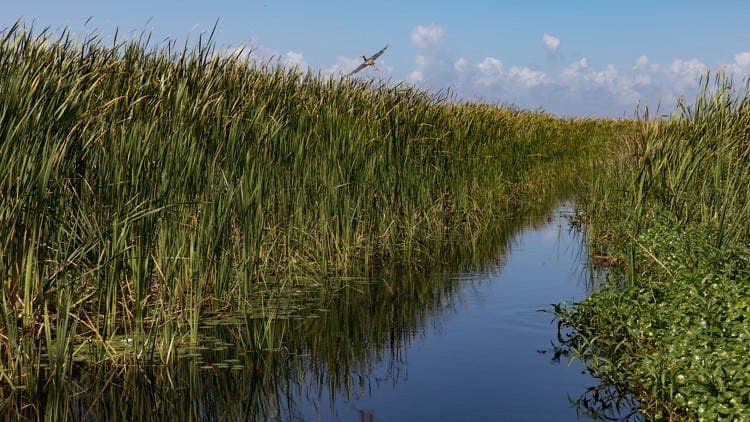
Lake Okeechobee is experiencing an ecosystem renaissance, with its waters running clear due to a prolonged drought. This extended dry spell, characterized as the worst in 24 years for Florida, has lowered water levels significantly. For the first time since 2007, state agencies accessed and dredged portions of the lake, removing suffocating muck that hinders native plant growth. As of August 8, 2026, the lake's water level was 10.93 feet, more than a month below the 11-foot mark considered crucial for submerged vegetation. Efforts by the Florida Fish and Wildlife Conservation Commission and the South Florida Water Management District include dredging 510 acres of muck and planting native species like bulrush and eelgrass. These actions are intended to restore the lake's natural functions, providing habitats for fish and other wildlife. Experts note that while these human interventions are beneficial, Mother Nature's role through the drought has been the primary driver of the lake's recovery. The ideal water level for Lake Okeechobee's health is between 11 and 15 feet above sea level, with periodic drops to allow sunlight to reach submerged plants. A rapid rise in water levels, such as from a hurricane, could quickly reverse the current progress by submerging young plants in murky water. Despite the positive signs, some wildlife, like the federally endangered snail kite, have struggled with the fluctuating water levels, indicating ongoing ecological challenges.


