Home / Environment / Carving Trees: A Lasting Harm to Nature
Carving Trees: A Lasting Harm to Nature
4 Dec, 2025
Summary
- Tree carvings cause lasting harm, leading to decay and infections.
- The Lake District National Park Authority urges an end to tree vandalism.
- Thin-barked trees like beech and birch are particularly vulnerable.
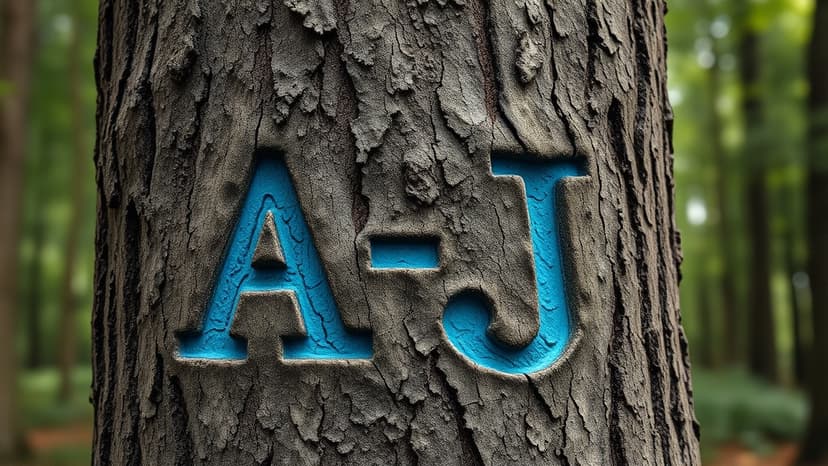
Vandalism involving carvings into trees within the Lake District National Park is inflicting lasting damage. The Lake District National Park Authority highlights that these engravings are more than just surface marks, often leading to detrimental effects such as decay and the onset of fungal infections.
Woodlands officers explain that these wounds do not heal like human skin cuts. Instead, trees grow around the injury, expending vital energy. This process leaves the tree internally vulnerable to decay and weakens its structure, making it susceptible to storm damage.
Young oaks, beech, and birch trees, with their thinner bark, are particularly at risk of being penetrated. The authority stresses that each carving diminishes the tree's strength, shortens its lifespan, and reduces the ecological benefits it provides to wildlife and the environment.