Home / Environment / Kosciuszko Horses Rebound: Experts Warn of Welfare Crisis
Kosciuszko Horses Rebound: Experts Warn of Welfare Crisis
1 Jun
Summary
- Feral horse numbers surged in Kosciuszko National Park.
- Continuous management is essential if eradication is impossible.
- Unchecked populations risk prolonged suffering and ecosystem damage.
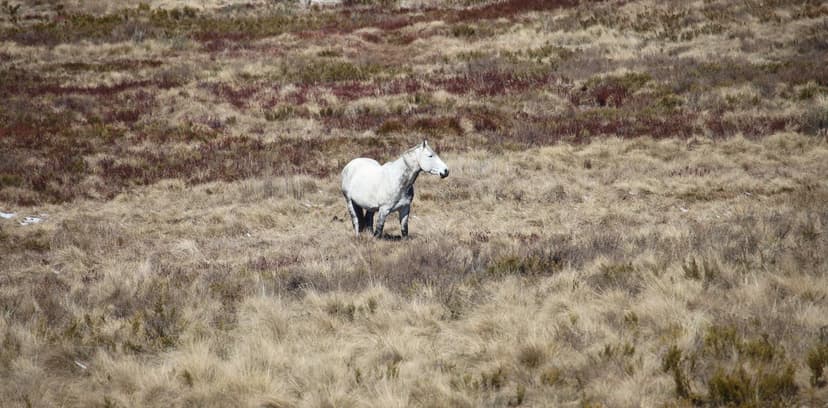
Feral horse numbers in Kosciuszko National Park have experienced a dramatic resurgence. Following a successful reduction to approximately 3,000 horses in 2024, recent surveys indicate the population has rebounded to between 6,476 and 16,411. This rapid increase is attributed to a mild summer with abundant rainfall and a lack of aerial culling in 2025, allowing horses to breed and repopulate controlled areas.
Experts emphasize that continuous management is vital for controlling these populations, as complete eradication is politically and legally challenging. Without rapid intervention, the fragile alpine environment faces severe degradation, including eroded banks and fouled waterways. Furthermore, unmanaged horse populations risk prolonged suffering during winter, with potential starvation and exposure, a consequence overlooked by some animal welfare advocates.
The New South Wales government aims to reduce feral horse numbers to 3,000 by mid-2027, a target stemming from the repealed Kosciuszko Wild Horse Heritage Act. This requires ongoing removal of over 1,000 animals every two years indefinitely. Alternative solutions like rehoming and fertility control are considered impractical for the scale of the problem, necessitating continued, professional management efforts to prevent irreversible ecological damage.


