


Home / Environment / Kielder Forest: From Barren Land to Britain's Biggest Forest
Kielder Forest: From Barren Land to Britain's Biggest Forest
11 Apr
Summary
- Kielder Forest spans 250 sq miles across Northumberland and Cumbria.
- It now contains 158 million trees, mostly planted by hand.
- The forest is a hub for tourism, wildlife, and renewable energy production.
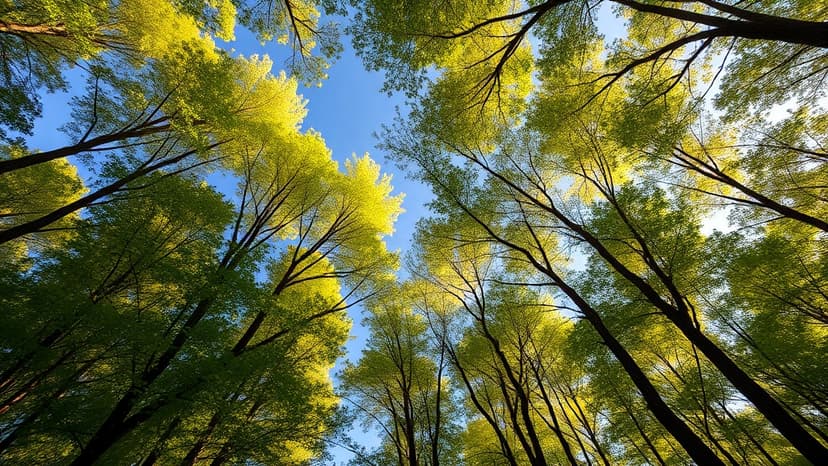
What began as an experimental tree planting in April 1926 has evolved into Kielder Forest, now Britain's largest woodland. Spanning 250 square miles across Northumberland and Cumbria, it boasts 158 million trees, many planted by hand. This transformation occurred over a century, turning previously infertile moorland into a thriving ecosystem.
The initiative by the Forestry Commission, established after World War One to address Britain's low woodland cover, identified Kielder as a suitable site. Large-scale planting commenced in the 1930s, with initial timber harvests occurring after World War Two. Mechanization advanced, and new villages were built to house workers.
Beyond timber production, which supplies construction, furniture, and biomass energy, Kielder Forest is a crucial center for tourism and wildlife. It supports 50% of England's red squirrel population and is home to diverse species. The forest also drives a significant 'dark sky economy' and offers extensive off-road cycling trails, demonstrating its multifaceted value.
Kielder Water, completed in 1982, further enhanced the area's significance, becoming Northern Europe's largest constructed lake. A century after its inception, Kielder Forest produces half a million tonnes of timber annually and contributes £28 million each year through its dark sky tourism, highlighting its enduring economic and environmental impact.
