feedzop-word-mark-logo
searchLogin
Feedzop
homeFor YouIndiaIndia
You
bookmarksYour BookmarkshashtagYour Topics
Trending
Terms of UsePrivacy PolicyAboutJobsPartner With Us

© 2026 Advergame Technologies Pvt. Ltd. ("ATPL"). Gamezop ® & Quizzop ® are registered trademarks of ATPL.

Gamezop is a plug-and-play gaming platform that any app or website can integrate to bring casual gaming for its users. Gamezop also operates Quizzop, a quizzing platform, that digital products can add as a trivia section.

Over 5,000 products from more than 70 countries have integrated Gamezop and Quizzop. These include Amazon, Samsung Internet, Snap, Tata Play, AccuWeather, Paytm, Gulf News, and Branch.

Games and trivia increase user engagement significantly within all kinds of apps and websites, besides opening a new stream of advertising revenue. Gamezop and Quizzop take 30 minutes to integrate and can be used for free: both by the products integrating them and end users

Increase ad revenue and engagement on your app / website with games, quizzes, astrology, and cricket content. Visit: business.gamezop.com

Property Code: 5571

Home / Environment / Rare Octopus Discovery Highlights Fishing Dangers

Rare Octopus Discovery Highlights Fishing Dangers

10 Feb

•

Summary

  • Deep-sea trawling causes significant bycatch of juvenile fish.
  • Estimated 500-1,300 tonnes of marine life discarded annually.
  • Unchecked trawling poses irreversible damage to marine ecosystems.
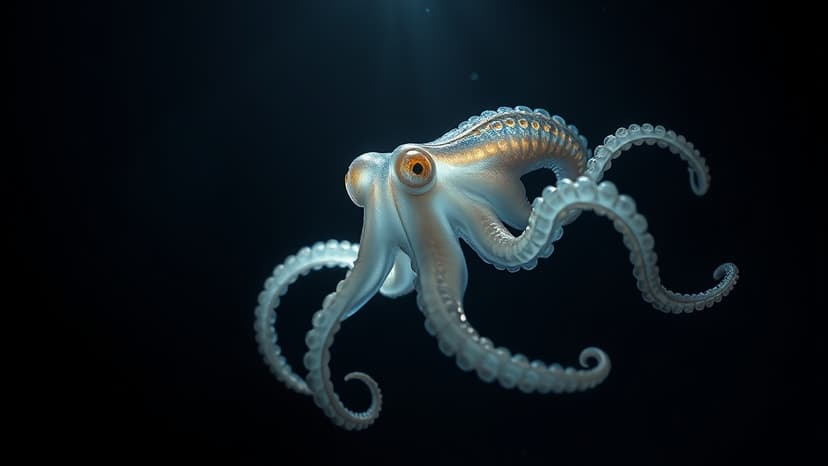
Rare Octopus Discovery Highlights Fishing Dangers

Scientists are raising alarms about the detrimental effects of unchecked deep-sea shrimp trawling along the coast of Kerala. The rare discovery of a deep-sea telescope octopus, found as bycatch off the Kollam coast, underscores serious deficiencies in the monitoring and regulation of deep-sea fishing activities.

Research indicates that deep-sea shrimp trawling operations result in substantial bycatch, with estimates suggesting that 500 to 1,300 tonnes of non-target marine organisms are discarded annually. This practice not only endangers juvenile fish and other species but also threatens the long-term viability of fish stocks.

The discovery of the telescope octopus, a species with a transparent body and tubular eyes, serves as a stark warning about the fragility of deep-sea ecosystems. Experts emphasize that such unchecked trawling could lead to irreversible damage, jeopardizing marine biodiversity and the livelihoods of fishing communities dependent on these resources. Stronger regulatory measures, systematic monitoring, and comprehensive biodiversity studies are urgently needed to achieve a balance between fishing and conservation.

trending

Ukraine power outages February 10

trending

Julia Taubitz leads Olympic luge

trending

Curry out against Grizzlies

trending

MBZUAI celebrates fifth anniversary

trending

Jutta Leerdam wins Olympic gold

trending

Netherlands vs Namibia T20

trending

Kim Kardashian, Lewis Hamilton couple?

trending

Lakers vs Thunder injury report

trending

South Africa beats Canada

Disclaimer: This story has been auto-aggregated and auto-summarised by a computer program. This story has not been edited or created by the Feedzop team.
Deep-sea shrimp trawling in Kerala poses risks of damaging marine ecosystems, depleting fish stocks, and harming fisher livelihoods due to significant bycatch.
It is estimated that 500 to 1,300 tonnes of non-target marine organisms are discarded annually as bycatch from deep-sea shrimp trawling operations.
The discovery of the telescope octopus, found as bycatch, highlights serious gaps in the monitoring and regulation of deep-sea fishing, indicating potential irreversible damage to marine ecosystems.

Read more news on

Environmentside-arrow

You may also like

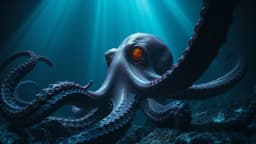
Octopus Bloom Cripples UK Shellfish Industry

6 Feb • 17 reads

article image

Octopus Invasion: UK Waters See Historic Population Boom

28 Jan • 61 reads

article image

Jellyfish Sleep: DNA Repair Key to Ancient Life

27 Jan • 80 reads

article image

Cormorants Reveal Hidden Invasive Fish in Sukhna Lake

18 Jan • 125 reads

article image

Kent Coastline Sees Mass Starfish Die-Off

26 Dec, 2025 • 229 reads

article image