


Home / Environment / Kentucky's Bears Roar Back, But Face New Threats
Kentucky's Bears Roar Back, But Face New Threats
6 Apr
Summary
- Kentucky, once 'the Black Bear State,' had bears extirpated by 1900.
- Bears returned naturally in the 1980s, now forming two subpopulations.
- Permissive hunting laws and hound use raise conservation concerns.
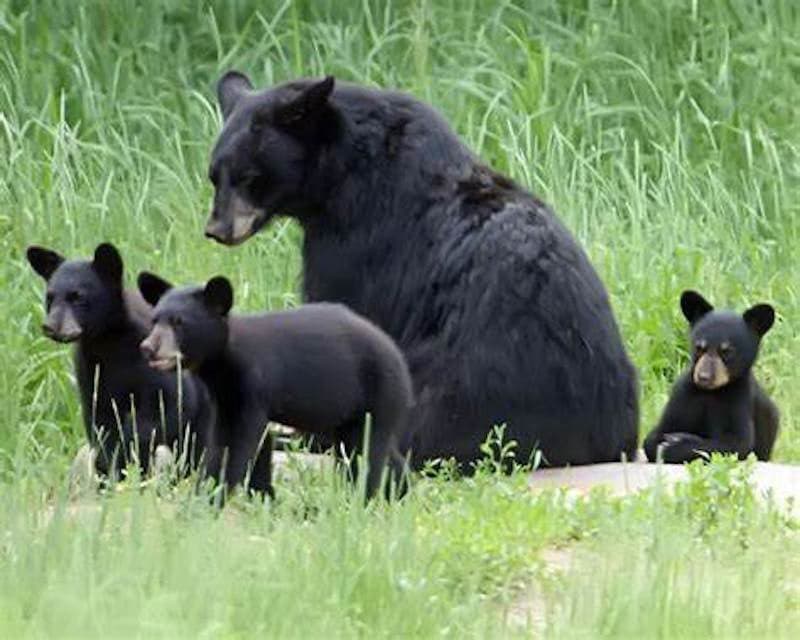
Kentucky, historically known as "the Black Bear State," experienced a dramatic decline in its bear population, leading to their extirpation by 1900. This decline resulted from intense hunting for pelts and habitat destruction by settlers. By the early 1900s, bears had vanished from the state, though geographical names served as reminders of their past presence.
The 1980s marked the beginning of a natural resurgence, with bears dispersing into Kentucky from neighboring states. Today, two subpopulations exist: one on the Cumberland Plateau, connected to Virginia and West Virginia populations, and an isolated group originating from a National Park Service restoration in Tennessee. The latter requires protection due to high hunting pressure and potential genetic isolation.
Recent years have seen a rise in bear hunting, with concerns growing over state regulations. Since 2010, hunting laws have become more permissive, leading to increased annual kills, including a significant portion of breeding females. Wildlife biologists emphasize the critical need to protect adult females for successful conservation.
A major point of contention is the extensive use of hounds for bear hunting, a practice critics argue lacks "fair chase." The Kentucky Fish and Wildlife Commission has expanded the hound chase season to begin as early as May 10, allowing pursuit of bears emerging from winter dens. This is particularly perilous for mothers with newborn cubs and can lead to dangerous encounters.
Further concerns arise from a new regulation allowing hunters to submit a tooth by mail instead of in-person carcass inspections. This change may compromise data accuracy for state biologists, potentially increasing opportunities for illegal poaching and trafficking. With only about 7% of Kentucky residents hunting, questions linger about why policies are loosening against public opposition.
Conservationists advocate for broader public involvement in wildlife policy. They propose establishing advisory councils comprising biologists, conservationists, tribal representatives, and community leaders to guide wildlife management decisions alongside the Kentucky Department of Fish and Wildlife Resources. This collaborative approach aims to ensure that wildlife policies reflect a wider range of public values and safeguard Kentucky's recovering bear population for future generations.
