Home / Environment / Kashmir's Ice Giants Melting Away
Kashmir's Ice Giants Melting Away
10 Dec, 2025
Summary
- Kolahoi glacier lost a quarter of its area in six decades.
- Glacial melt impacts agriculture, water, and wildlife habitats.
- All 18,000 glaciers in Jammu, Kashmir, and Ladakh are melting.
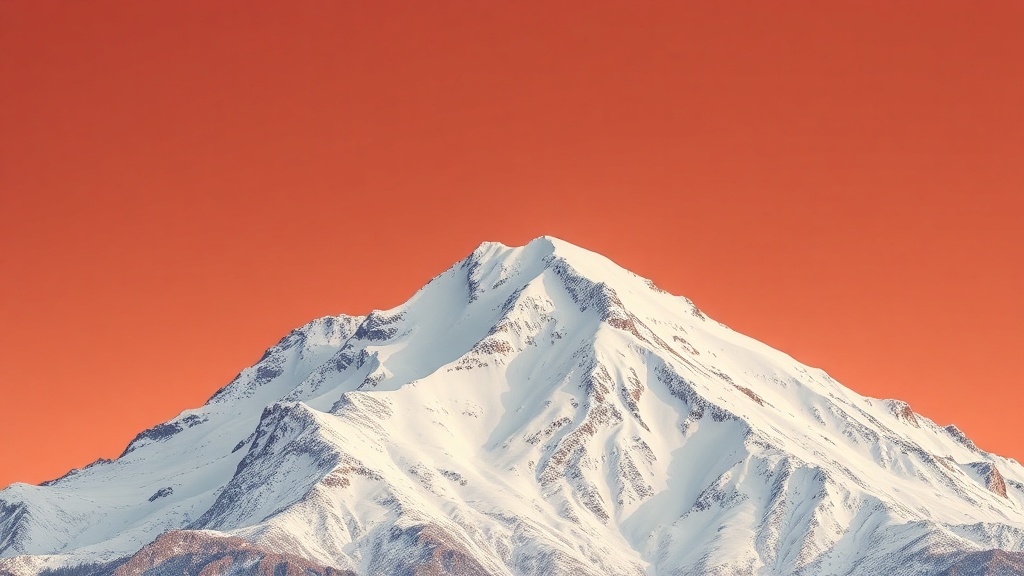
The Kolahoi glacier, once a significant ice source in the western Himalayas, is now a stark symbol of environmental change. It has been steadily retreating, leaving behind bare rock and altering the landscape. This meltwater has historically sustained crucial ecosystems, including agriculture and wildlife, but its diminishing volume is causing widespread disruption. Scientists observe ecological shifts, with early blooms confusing pollinators and impacting local fauna.
Historical data and recent satellite assessments reveal a dramatic loss of glacial area and significant retreat of the ice snout. This directly affects water availability, leading to reduced agricultural output and impacting the Lidder watershed. Researchers emphasize that the glacier's decline could fundamentally reshape Kashmir's water resources, agriculture, and overall ecological balance, with rising temperatures and pollution accelerating the melt.
The consequences extend to biodiversity and human life, as habitat loss affects species like the musk deer and Kashmir stag. As glaciers shrink, water systems change, and vegetation patterns shift, increasing the risk of human-wildlife conflict and ecosystem imbalance. The accelerating melt across all glaciers in Jammu, Kashmir, and Ladakh points towards a severe crisis, with projections indicating substantial future ice loss.