Home / Environment / Kansas Lake Tests World-First Silt Removal Tech
Kansas Lake Tests World-First Silt Removal Tech
19 Nov, 2025
Summary
- A unique water injection dredging project is removing silt from Tuttle Creek Lake.
- This method is being used in a lake for the first time globally.
- Researchers are assessing downstream environmental impacts of the dredging.
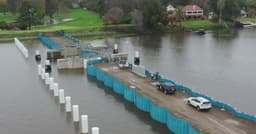
A groundbreaking water injection dredging project is underway at Tuttle Creek Lake in Kansas, employing a method never before used in a lake setting. This initiative aims to reverse the significant silt accumulation that threatens the lake's capacity, with projections indicating it will be 75% full by 2074. The project, a collaboration between the Kansas Water Office and the U.S. Army Corps of Engineers, uses a specialized barge to pump clear water, inducing density currents to move silt downstream via the Big Blue River.
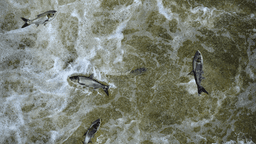
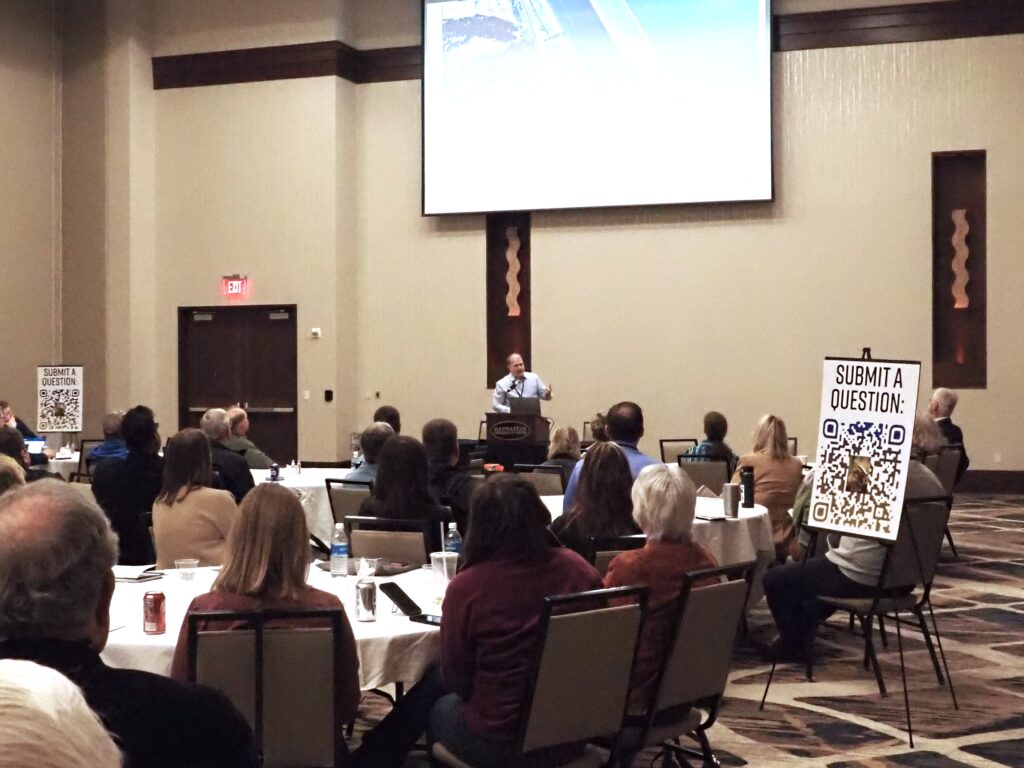
Initial dredging operations, funded by a $7.1 million federal grant and $2 million from the state, have demonstrated the technique's ability to move sediment. Researchers, including Kansas State University professor Keith Gido, are meticulously collecting data to assess downstream effects. Early results suggest minor, temporary impacts on water turbidity and oxygen levels, which are within natural variability ranges. Concerns about sulfur oxide releases were noted, but their impact was temporary.