


Home / Environment / Kangaroo Island Overrun by Destructive Corellas
Kangaroo Island Overrun by Destructive Corellas
9 Apr
Summary
- Non-native little corellas cause extensive damage on Kangaroo Island.
- A recent culling trial killed 2,640 birds, but effectiveness is uncertain.
- The birds pose risks to native wildlife and human health and well-being.
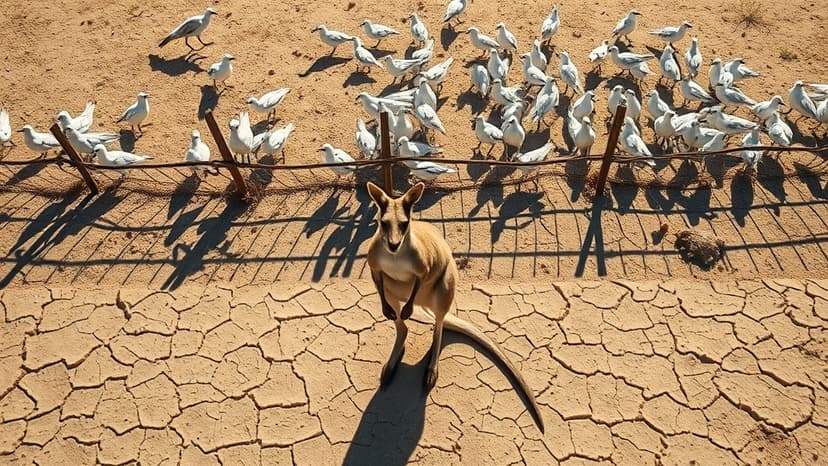
Kangaroo Island is grappling with a severe infestation of invasive little corellas, non-native birds that have wreaked havoc across the island since their arrival in the 1960s. Their population has surged due to readily available water from stock troughs and dams, and food from grain crops.
The birds' destructive behaviour includes covering a local school campus in droppings, damaging infrastructure, and decimating crops. They have also been observed displacing endangered native birds by occupying nesting hollows, smashing eggs, and killing nestlings.
Despite previous population control attempts failing, a recent night-time shooting trial in March culled 2,640 little corellas using thermal and infrared technology. However, authorities acknowledge that the long-term impact on the overall population remains unclear, and the ideal habitat provided by areas like schools contributes to their proliferation.
Beyond the physical destruction and ecological disruption, the constant, deafening screeching of the corellas has led to significant mental distress and health concerns for residents, particularly students who report struggling to focus on their studies due to the noise. Diseases like ornithosis can also be transmitted from the birds to humans.
Efforts to deter the birds through noise, lights, drones, and fireworks have proven ineffective, often making them more vigilant. While night-time shooting showed promise in minimizing flock disturbance, the Kangaroo Island Landscape Board emphasizes the need for inter-agency coordination and increased resources to expand control efforts. Past attempts at population reduction, including shooting, scaring, trapping, or gassing, have historically failed, with the intelligent birds adapting or relocating.
Kangaroo Island residents express frustration, with some recalling early warnings about the birds' potential to multiply if not controlled. The current situation highlights the ongoing challenge of managing invasive species and the need for comprehensive, coordinated strategies.
