Home / Environment / Jellyfish Swarms Sting Atlantic Coast: Worst Summer Yet?
Jellyfish Swarms Sting Atlantic Coast: Worst Summer Yet?
28 Aug
Summary
- Unusual jellyfish abundance noted along the Atlantic Coast this summer.
- Warm temperatures and high salinity fuel jellyfish blooms.
- Stings treated with vinegar and baking soda paste; seek medical help for severe reactions.
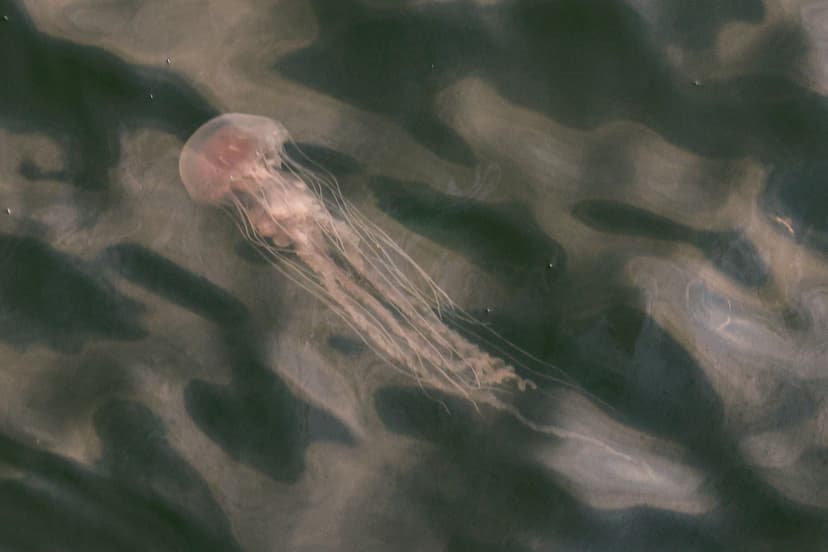
An unusually high number of jellyfish have appeared along the Atlantic Coast this summer, impacting popular beach destinations from Cape Cod to areas near Washington D.C. This phenomenon is described as the worst for this time period by seasoned lifeguards. The jellyfish blooms are attributed to a confluence of factors including warm ocean temperatures and high salinity levels due to a prolonged drought, which have created optimal conditions for their proliferation.
Beaches in Delaware and Maryland, including Ocean City, have reported significant upticks in jellyfish, specifically sea nettles, bay nettles, and Lion's mane types. Lifeguards are responding to numerous daily complaints and first-aid requests for stings. Experts note that while jellyfish have stinging cells on their tentacles used for capturing prey, these cells can fire a toxin upon contact with anything, including humans.
While staying out of the water is not necessary, wearing protective clothing like rash guards can help. For those stung, initial treatment involves washing the affected area and applying a vinegar-and-water solution to help discharge barbs. A paste of baking soda and seawater or hydrocortisone cream can also alleviate symptoms. Severe reactions, such as difficulty breathing or severe pain, require immediate professional medical attention.


