Home / Environment / Japan's Monkey Problem: Pests or Pals?
Japan's Monkey Problem: Pests or Pals?
10 Mar
Summary
- Monkeys caused 770 million yen in agricultural damage in 2024.
- Experts debate culling versus non-lethal monkey control methods.
- A farmer hopes a viral snow monkey inspires empathy.
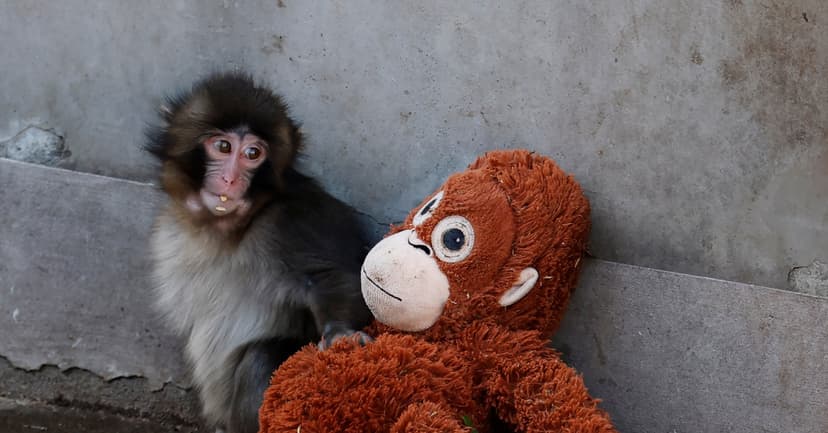
Japanese macaques, often recognized for their endearing online presence, face a dual reality. While beloved by many, they are viewed as agricultural pests by farmers across Japan. This conflict stems from considerable economic damage, with monkeys estimated to have caused 770 million yen in losses during 2024. This has prompted discussions regarding population control measures.
Experts are divided on the most effective approach. Some, like Takayo Soma, emphasize the need for countermeasures but question the scientific basis of indiscriminate culling. Shigeyuki Izumiyama points out that eliminating one troop simply allows another to move in, making culling an endless and ineffective strategy.
Alternative, non-lethal methods are gaining traction. These include implementing electric fences and employing trained dogs, dubbed "monkey dogs," to deter primates. Apple farmer Takumi Matsuda highlights human encroachment on monkey habitats as a contributing factor to the problem, advocating for coexistence and understanding. He hopes the viral fame of a snow monkey named Punch will encourage more people to appreciate the wild Japanese macaques.