Home / Environment / Jamaica's Beaches: Battleground for Access
Jamaica's Beaches: Battleground for Access
3 Jul
Summary
- Five court cases challenge government and landowners over beach access.
- Locals argue privatization violates rights and colonial logic.
- Government cites tourism's economic benefits for over 10% of population.
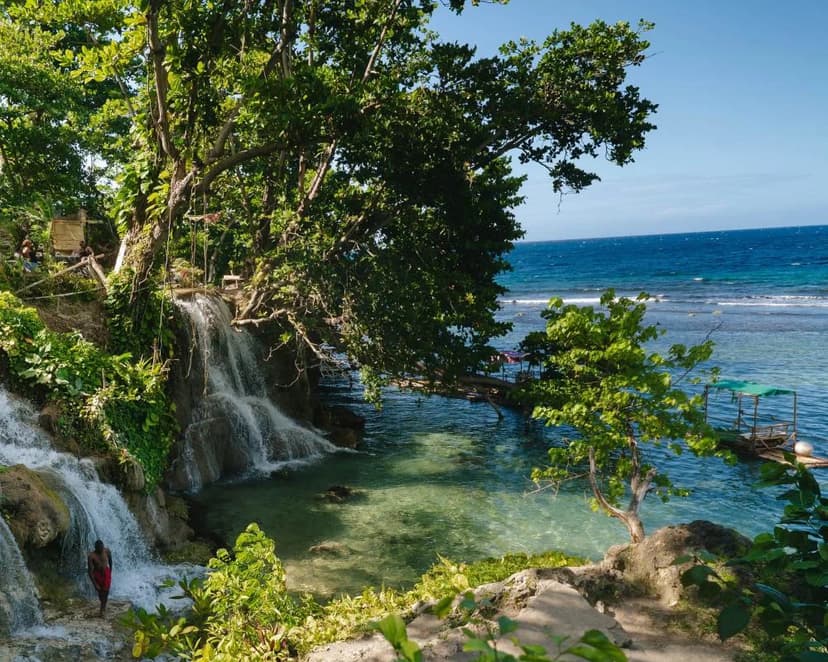
The fight for public access to Jamaica's beaches is escalating, with five simultaneous civil court cases targeting the government and private landowners. Activists and local communities are challenging the privatization of popular tourist destinations, where residents are increasingly prohibited from accessing the coastline without hotel passes.
Those advocating for open access argue that current restrictions are discriminatory, breach constitutional rights, and perpetuate a colonial-era mindset that denies Jamaicans enjoyment of their own natural resources. They are contesting the 1956 Beach Control Act, which placed foreshore and seabed under state ownership and now allows private entities exclusive coastal control.
Conversely, the government contends that the multibillion-dollar tourism sector, a crucial economic driver, benefits all Jamaicans. Officials highlight that the industry supports an estimated 112,000 to 116,000 jobs directly and up to 350,000 people indirectly. They argue that while access is important, preserving the economic stability of tourism is paramount.
Organizations like the Jamaica Beach Birthright Environmental Movement (Jabbem) are at the forefront, invoking the 1882 Prescription Act, which asserts rights to continuously used public pathways. Jabbem founder Devon Taylor describes the struggle as an "anticolonial fight," emphasizing the cultural, spiritual, and economic significance of beaches for many Jamaicans, including fishers who rely on them for livelihood and sustenance.


