Home / Environment / Jaipur Lichens Reveal Alarming Trace-Metal Pollution
Jaipur Lichens Reveal Alarming Trace-Metal Pollution
25 Aug
Summary
- Narayan Singh Circle shows highest trace-metal pollution in Jaipur.
- Zinc levels at Narayan Singh Circle are 7.7 times higher than reference site.
- Lichen biomonitoring offers a low-cost pollution assessment method.
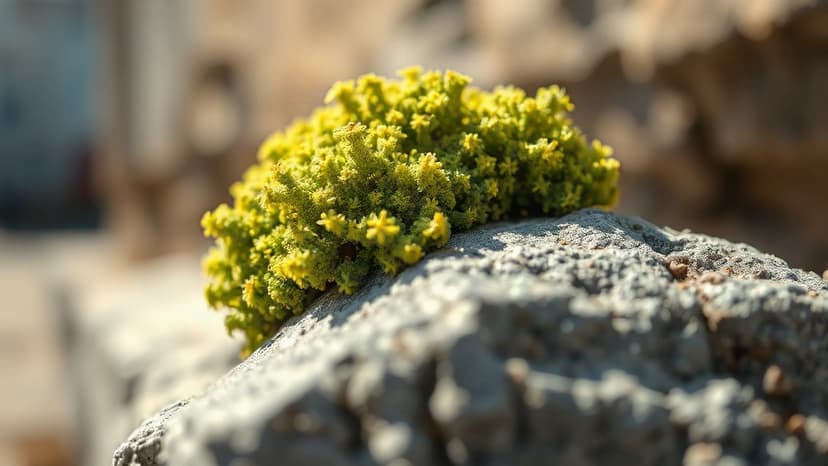
A recent study published in the 'International Journal of Environmental Pollution' has revealed stark disparities in trace-metal pollution across Jaipur. Researchers employed the lichen species 'Phaeophyscia hispidula' as a bioindicator to assess atmospheric pollution levels at various sites within the city. The findings indicate that Narayan Singh Circle exhibits the highest concentration of trace metals, with zinc levels approximately 7.7 times greater than those recorded at Nahargarh, a designated reference site.
Further analysis showed a significant decrease in chlorophyll content at Narayan Singh Circle, dropping by about 75%, while carotenoid levels saw an increase, potentially signaling stress within the lichen. Other locations like JDA, Raja Park, and Lalkothi also displayed relatively higher metal accumulation. The study's lead researchers suggest that lichen-based biomonitoring presents a cost-effective, complementary approach for evaluating atmospheric pollution, especially in semi-arid urban environments like Jaipur. However, they caution that identifying exact pollution sources requires further investigation, including longer-term studies and direct air-quality monitoring.


