Home / Environment / Islamabad Winters Vanish: Warmer Nights Signal Climate Shift
Islamabad Winters Vanish: Warmer Nights Signal Climate Shift
14 Feb
Summary
- Islamabad's winters are becoming shorter and warmer.
- Night temperatures are rising faster than daytime temperatures.
- Deforestation and urban expansion exacerbate warming trends.
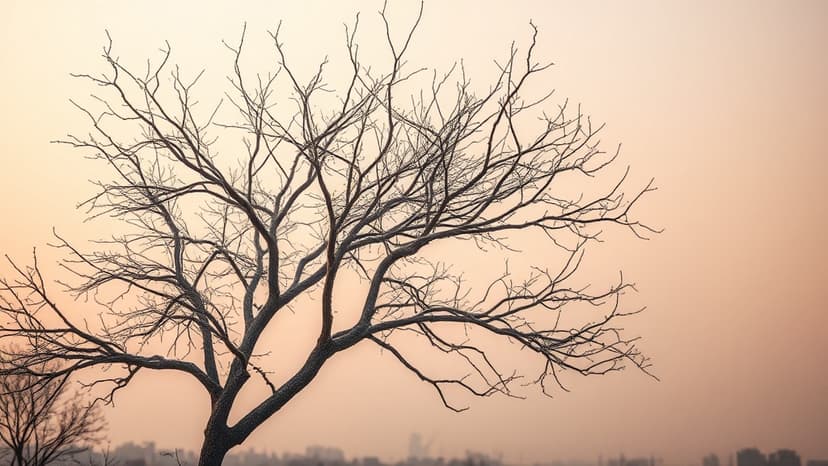
Islamabad's once-familiar winter season, characterized by chilly winds and occasional snowfall on the Margalla Hills, is undergoing a significant transformation. Data from 1981 to 2025 reveals a trend of progressively shorter and warmer winters. This change is primarily driven by global warming and human-induced factors, leading to an asymmetric warming pattern where nighttime temperatures are escalating at a much faster rate than daytime temperatures.
Experts confirm this asymmetric warming as a strong indicator of anthropogenic climate change. Local factors such as deforestation and rapid urban expansion since the 1990s are intensifying the urban heat island effect, trapping heat and reducing nighttime cooling. These changes are not unique to Islamabad, with similar patterns observed in Lahore and Peshawar, indicating a broader climate shift across northern Pakistan.
The consequences extend beyond temperature shifts, impacting winter energy demands, increasing smog potential, and altering agricultural requirements. Scientists warn that fluctuating rainfall and rising temperatures may reduce crop yields, potentially threatening food supply chains. Adaptation strategies, including planting resilient trees and urban planning reforms, are being proposed to mitigate these effects.