feedzop-word-mark-logo
searchLogin
Feedzop
homeFor YouIndiaIndia
You
bookmarksYour BookmarkshashtagYour Topics
Trending
Terms of UsePrivacy PolicyAboutJobsPartner With Us

© 2026 Advergame Technologies Pvt. Ltd. ("ATPL"). Gamezop ® & Quizzop ® are registered trademarks of ATPL.

Gamezop is a plug-and-play gaming platform that any app or website can integrate to bring casual gaming for its users. Gamezop also operates Quizzop, a quizzing platform, that digital products can add as a trivia section.

Over 5,000 products from more than 70 countries have integrated Gamezop and Quizzop. These include Amazon, Samsung Internet, Snap, Tata Play, AccuWeather, Paytm, Gulf News, and Branch.

Games and trivia increase user engagement significantly within all kinds of apps and websites, besides opening a new stream of advertising revenue. Gamezop and Quizzop take 30 minutes to integrate and can be used for free: both by the products integrating them and end users

Increase ad revenue and engagement on your app / website with games, quizzes, astrology, and cricket content. Visit: business.gamezop.com

Property Code: 5571

Home / Environment / Winter Snow Can't End Iowa's Deepening Drought

Winter Snow Can't End Iowa's Deepening Drought

7 Jan

•

Summary

  • Iowa placed three of five drought regions under watch in December.
  • November precipitation was 0.25 inches below average, impacting soil moisture.
  • Over 900,000 Iowa residents live in drought-affected areas.

Winter Snow Can't End Iowa's Deepening Drought

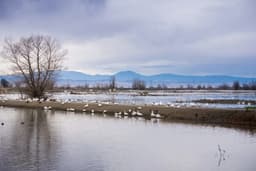
Despite significant snowfall this season, three of Iowa's five drought regions were placed under drought watch in December, with abnormally dry conditions expected to persist into February 2026. This situation underscores how rising global temperatures can lead to water insecurity, even during colder months. A dry autumn, with November precipitation falling 0.25 inches below average, erased previous gains, leaving soils and waterways depleted across much of the state.

The erratic nature of water cycles, increasingly unpredictable due to human-driven warming, means winter snow alone is insufficient to replenish groundwater. Experts point to global warming as intensifying extreme weather events, including droughts. This has profound implications for communities, ecosystems, and food production, with over 900,000 Iowa residents currently living in drought-affected areas.

trending

Maghi Purnima bathing festival

trending

MCX gold silver prices surge

trending

Al Kholood vs Al Nassr

trending

realme P4 Power 5G launched

trending

Giants face Mumbai Indians

trending

Espanyol favored over Alaves

trending

Lakers vs Wizards odds

trending

Benzema refuses to play

trending

Ruturaj Gaikwad celebrates birthday

Iowa maintains a Drought Plan for preparedness and response, and national agencies collaborate on an integrated drought information system. However, addressing the root cause requires reducing air pollution and restoring global environmental balance. Individual actions and support for water resource protection are crucial for mitigating the impacts of increasingly frequent and severe droughts worldwide.

Disclaimer: This story has been auto-aggregated and auto-summarised by a computer program. This story has not been edited or created by the Feedzop team.
November's dry spell and erratic weather patterns mean snow doesn't fully replenish depleted groundwater like steady rain does, even with high snowfall this season.
Over 900,000 residents in Iowa are living in areas currently affected by drought conditions.
Iowa has a drought plan, and nationwide systems monitor conditions, but reducing air pollution and protecting water resources are key long-term solutions.

Read more news on

Environmentside-arrow

You may also like

California Drought Ends: A Historic First in Decades

17 Jan • 101 reads

article image

Minnesota Thaws: January Warm-Up Breaks Records

15 Jan • 93 reads

article image

Australia's Forests Dying Faster as Climate Warms

6 Jan • 154 reads

article image

LA's Dream City Faces Nightmare Weather

1 Jan • 228 reads

article image

World Nears Critical 1.5°C Warming Limit

29 Dec, 2025 • 253 reads

article image