Home / Environment / Iowa Faces Lead Toxin Threat from Army Explosions
Iowa Faces Lead Toxin Threat from Army Explosions
23 Nov
Summary
- Army plans controlled explosions of unstable lead azide barrels.
- Lead particles, a neurotoxin, will spread over homes and farmland.
- Community and politicians learned of the plan days before detonations.
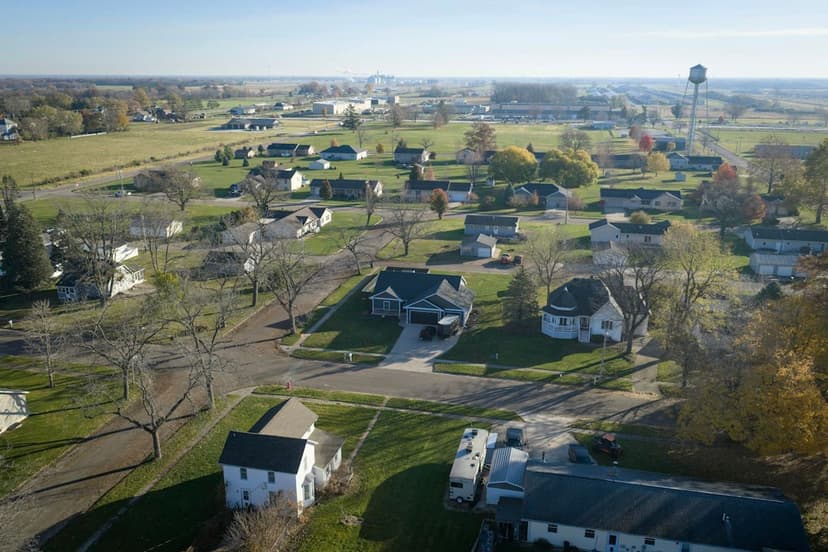
The U.S. Army confirmed plans for controlled explosions at the Iowa Army Ammunition Plant, initially scheduled for November 20, 2026, but rescheduled to November 25, 2026. These detonations are necessary to safely neutralize dozens of old, unstable barrels containing lead azide, an explosive posing an "unacceptable risk of accidental detonation." A significant concern is the potential release of lead particles, a known neurotoxin, which could spread over miles of homes and farmland downwind.
The Army's plan has caused anxiety in Middletown, Iowa, a community of about 360 residents. News of the impending explosions, including the potential for lead particle plumes, reached residents and politicians only a few days prior to the originally planned November 20 date. This raised alarms, with residents taking measures like taping windows and covering air conditioners to prevent lead contamination.
Experts warn that inhaled lead particles can enter the lungs and bloodstream, posing serious health risks, particularly to young children and pregnant women, as lead can impair neurological development and reduce IQ. The Centers for Disease Control and Prevention emphasizes there is no safe level of lead in the body. The exact path of the lead plume depends heavily on wind speed and direction following the explosions.
To mitigate risks, the Army advises residents near the plant to vacate their homes during the detonation or to shelter in place by staying indoors with windows and doors closed. After the plume dissipates, which typically takes a few hours, residents are advised to wash down outdoor surfaces, cars, and children's play areas to remove settled lead dust. Agricultural concerns include lead settling on grass, potentially affecting livestock.


