Home / Environment / Tiny Moth Invasion Threatens Northwest Forests
Tiny Moth Invasion Threatens Northwest Forests
2 Mar
Summary
- Invasive spongy moths threaten Pacific Northwest forests, especially oak trees.
- A mile-and-a-half area of Lakewood will be treated for moth eradication.
- A biological insecticide called Btk will be sprayed from small planes.
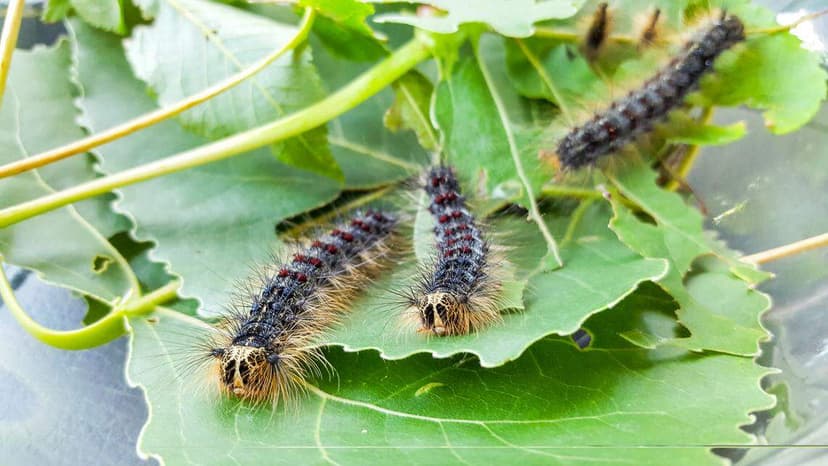
Invasive spongy moths, a non-native critter from Europe and Asia, are growing in Lakewood's tree canopies and threaten Pacific Northwest forests. These small caterpillars can eat over 300 types of trees and shrubs. If populations are not controlled, they can strip entire forests of leaves within months, potentially killing trees after multiple years of defoliation.
To prevent widespread damage, a mile-and-a-half area in Lakewood is scheduled for eradication treatment. This effort comes after WSDA found a small number of moths in previous years. The goal is to eradicate them while their numbers are low and prevent further spread from other regions.
Residents might see small planes spraying a biological insecticide, Btk (Bacillus thuringiensis kurstaki), on trees. Btk is a naturally occurring bacteria safe for humans, bees, animals, and fish, but lethal to caterpillars that ingest foliage treated with it. The treatment is timed to coincide with the spongy moth larvae hatching and feeding in spring.