Home / Environment / Invasive Fish Devour Native Hawaiian Insects
Invasive Fish Devour Native Hawaiian Insects
16 Aug
Summary
- Non-native mosquitofish introduced in 1905 have devastated native aquatic insects.
- Damselfly populations have drastically declined due to aggressive fish predation.
- Controlling invasive fish is difficult due to complex waterways and rapid reproduction.
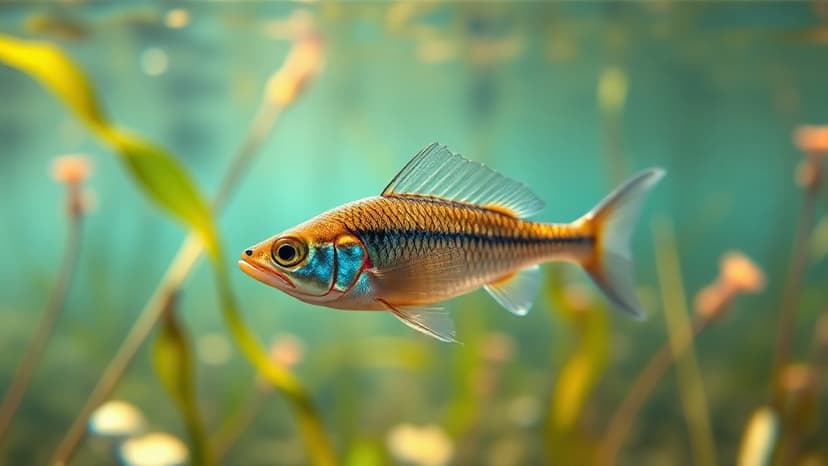
Since their introduction to Hawaii in 1905, eastern mosquitofish (Gambusia affinis) have become a major ecological concern. Originally brought to control disease-carrying mosquitoes, these non-native fish have aggressively preyed upon and decimated native aquatic insects, particularly several threatened species of Hawaiian damselflies. Their flexible feeding habits have disrupted the delicate balance of freshwater ecosystems across the islands.
USFWS reports highlight mosquitofish as a primary cause for the decline in native damselflies, which evolved without defenses against such predators. Species like the crimson Hawaiian damselfly have vanished from vast areas where mosquitofish now thrive. The impact extends to endemic gobies and shrimp, further destabilizing native food webs.
Mosquitofish pose a unique management challenge due to their dietary adaptability and rapid live-bearing reproduction. Controlling their spread in Hawaii's interconnected waterways is complex, with efforts focusing on high-elevation stream protection and habitat barriers. Rebuilding native populations involves releasing captive-bred damselflies into safer streams, emphasizing the critical need to prevent further invasive spread.


