Home / Environment / Asian Mantises Invade Europe, Threatening Native Wildlife
Asian Mantises Invade Europe, Threatening Native Wildlife
12 Jul
Summary
- Two invasive Asian mantis species are rapidly spreading north through Europe.
- These mantises prey on native pollinators and small animals.
- Citizen science projects help monitor and slow their invasive spread.
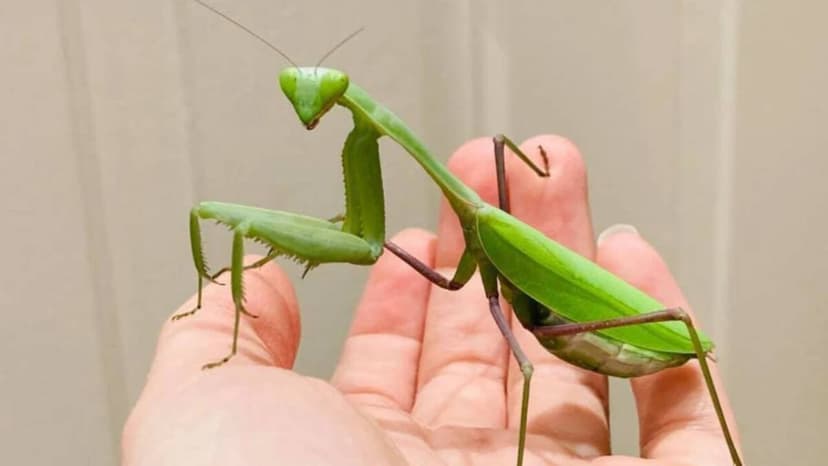
Two invasive species of giant Asian praying mantises have been officially classified as threats to Europe's native wildlife. Researchers are observing their rapid northward expansion, a phenomenon exacerbated by increasing global temperatures and the warm microclimates found in urban areas. These fast-breeding predators pose a significant risk to various native species.
The invasive mantises aggressively hunt essential pollinators like honeybees and target protected small animals, including lizards and tree frogs. Alarmingly, they also threaten Europe's native mantis species through aggressive mating encounters, which often result in the native males being consumed. This ecological invasion, detailed in a new study, has gained momentum over the past decade.
Their success is attributed to a high breeding rate, with a single egg case producing around 200 young, significantly more than native European mantises. Invasive young also exhibit a lower cannibalism rate, ensuring greater survival. Urban heat island effects allow them to remain active longer, while even insect hotels serve as hunting grounds.
Citizen science initiatives are crucial for monitoring and slowing the spread. The public is encouraged to identify and report sightings, and during winter, to spot and remove invasive egg cases. However, experts caution that identification is key to avoid harming native mantis eggs.


