Home / Environment / Forests: The Key to a Sustainable Bioeconomy
Forests: The Key to a Sustainable Bioeconomy
21 Mar
Summary
- Forests are vital ecosystems supporting biodiversity and livelihoods.
- Over 1.6 billion people depend on forests for subsistence and income.
- The 'Forests and Economies' theme highlights economic benefits beyond jobs.
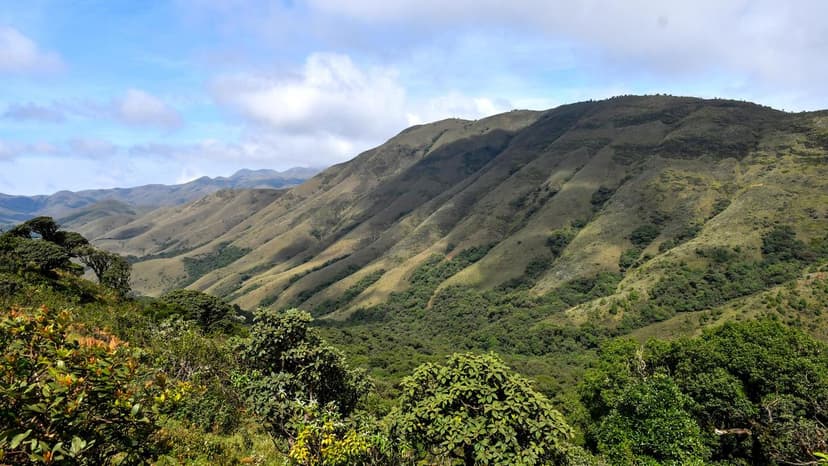
The International Day of Forests, celebrated annually on March 21, brings attention to the crucial importance of forest ecosystems worldwide.
These invaluable natural resources play a significant role in climate regulation, supporting biodiversity, and sustaining livelihoods. As environmental challenges grow, recognizing and protecting forests becomes increasingly vital.
Globally, more than 1.6 billion individuals depend on forests for their subsistence, income, or employment. The forest sector provides millions of formal and informal jobs, offering essential food, fuel, shelter, and income, particularly during economic shocks or climate crises.
For 2026, the chosen theme is 'Forests and Economies.' This highlights how forests contribute to economic well-being through jobs, trade, agriculture, and watershed protection.
As the world transitions to a sustainable bioeconomy, forests offer nature-based alternatives to carbon-intensive materials, fostering new economic avenues. The day aims to center forests in long-term economic planning, ensuring their integral role is recognized.