Home / Environment / Indonesia's Elephants Vanish: A Critical Decline
Indonesia's Elephants Vanish: A Critical Decline
18 Oct
Summary
- Sumatran elephant population has critically declined.
- Habitat loss and human-wildlife conflict are major drivers.
- A new 10-year conservation plan was launched in August 2026.
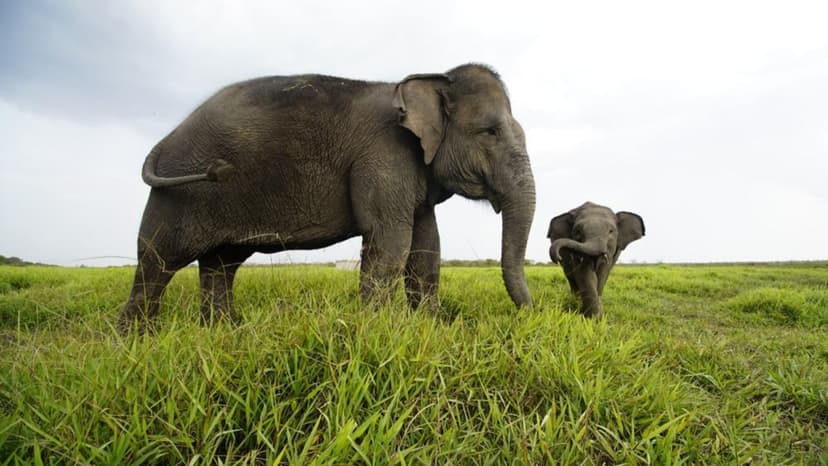
Indonesia is grappling with a severe decline in its elephant populations, with the critically endangered Sumatran elephant and the Bornean elephant facing significant threats. The country's wild elephant numbers have plummeted by over 40% since 2007, from an estimated 2,400-2,800 individuals to a current population of 1,325-1,648.
This alarming reduction is largely attributed to extensive habitat loss, with approximately 70% of the Sumatran elephant's habitat destroyed in a single generation. The expansion of oil palm and pulpwood plantations has fragmented their movement corridors, forcing elephants into closer proximity with human settlements and agricultural areas, leading to increased human-wildlife conflict.
To address this crisis, Indonesia launched a new 10-year elephant conservation plan in August 2026, succeeding previous efforts that expired in 2017. This strategy prioritizes habitat restoration, mitigation of human-elephant conflict, and enhanced monitoring through GPS collars. The objective is to protect the remaining elephant populations and facilitate natural recovery.
Conservationists are hopeful that the comprehensive 2026-2036 plan will effectively reverse the population decline. However, the successful implementation of such initiatives remains a key concern, as past plans have faced challenges with full execution.


