

Home / Environment / Indigenous Wisdom Revives Ecosystems and Food
Indigenous Wisdom Revives Ecosystems and Food
4 Apr
Summary
- Native practices merge with Western science for ecological restoration.
- Clam gardens, ancient mariculture sites, support biodiversity and food sovereignty.
- Research seeks to validate Indigenous knowledge, giving it equal weight.
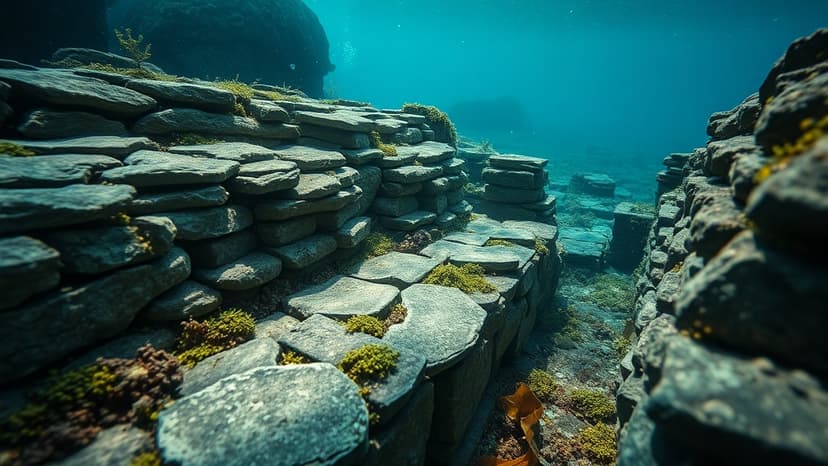
Ecological restoration and food sovereignty are being advanced by integrating Indigenous practices with Western scientific methodologies. Marine ecologist Marco Hatch is collaborating with seven Indigenous communities to rebuild ancient clam gardens along the Pacific Northwest coast. These efforts combine Western scientific surveys with traditional knowledge to enhance understanding of beach ecology and clam health, aiding communities in securing necessary permits and regaining control over their heritage.
This convergence represents a significant shift, with scientists increasingly recognizing the validity of Indigenous knowledge. Historically dismissed as mythic, traditional Native thought is now being 'braided' with empirical Western science. This integration empowers Indigenous communities to address ecological challenges, such as declining fish or plant populations, by leveraging ancestral understanding alongside scientific tools.
Ancient clam gardens, dating back at least 4,000 years, are examples of this successful mariculture. They not only boosted productivity for species like butter clams but also influenced sediment movement and protected shorelines from erosion. Efforts to reawaken this 'sleeping' knowledge are crucial for communities impacted by colonization, reconnecting younger generations with ancestral practices.
Collaborations are progressing, with institutions like the Brooklyn Botanic Garden highlighting Indigenous plant uses. Federal funding is now available to study the combination of Indigenous and Western sciences. However, a crucial element remains ensuring Indigenous people maintain control over their knowledge and are involved from the earliest stages of research, fostering genuine partnership.
Indigenous-managed food systems, such as forest gardens and the use of prescribed burns, have demonstrated correlations with ecological health and biodiversity. Researchers are finding that traditional methods, known for generations, can offer cost-effective solutions and serve as a foundation for more advanced ecological studies. Progress in this area requires equal weighting of both knowledge systems in any collaborative effort.
As opportunities for collaboration grow, Indigenous peoples are increasingly initiating their own research. Initiatives like the Center for Cooperative Ecological Resilience allow Native nations to partner with Western scientists. Such endeavors strengthen relationships, foster community building, and promote a deeper connection to place, highlighting the beach as a vital site for reconnection.
