

Home / Environment / Indigenous Lands Host 30% Fewer Invasives
Indigenous Lands Host 30% Fewer Invasives
24 Apr
Summary
- Natural areas owned by Indigenous peoples have 30% fewer invasives.
- Traditional ecological knowledge can help combat invasive species.
- Protecting Indigenous rights is crucial for biodiversity conservation.
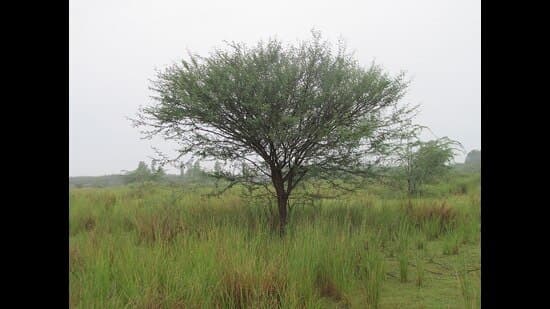
A significant 2024 study by an international team of scientists indicates that natural areas under Indigenous ownership experience approximately 30% fewer invasive species compared to other lands. This discovery underscores the value of traditional ecological knowledge in managing and mitigating the spread of alien species, which are expanding rapidly due to climate change and land-use shifts.
Researchers suggest that Indigenous communities possess deep understanding, often embedded in their cultural expressions like stories and songs, that can provide effective strategies for conservation. The study, published in Nature Sustainability, points to the invasive Prosopis juliflora in Ethiopia as an example of how introduced species can negatively impact native flora and fauna, disrupting ecosystems.
Lead author Laura Meyerson stressed the importance of learning from and collaborating with Indigenous peoples for mutual benefit. Her colleague, Hanno Seebens, added that safeguarding biodiversity is directly tied to protecting the rights of Indigenous peoples, positioning their stewardship as a vital component of global conservation efforts.
