Home / Environment / Australia's Heatwave: Indigenous Communities Bear Brunt
Australia's Heatwave: Indigenous Communities Bear Brunt
30 Dec, 2025
Summary
- Roebourne residents endure extreme 50C heat without air conditioning.
- Substandard housing exacerbates climate crisis impacts on Indigenous people.
- Indigenous-led organizations strain resources responding to disasters.
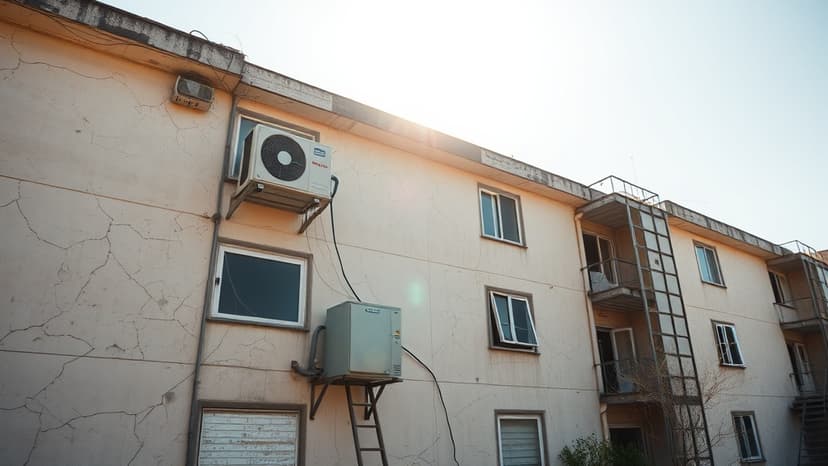
Roebourne, a Western Australian town, faces extreme heatwaves with temperatures reaching 50.5C, impacting its Indigenous residents most severely. Many live in public housing without adequate cooling, forcing communal living in the few air-conditioned homes and resulting in unaffordable power bills. Elders and vulnerable individuals are at increased risk due to inadequate housing in these extreme conditions.
Indigenous populations across Australia are disproportionately affected by climate change, experiencing more frequent and intense natural disasters. Their traditional lands and cultural sites are threatened, and existing housing often fails to provide basic thermal comfort. This situation is compounded by a funding gap, where Indigenous-led disaster response initiatives receive a fraction of the necessary support, forcing these organizations to use their own limited resources.
The Ngarluma Yindjibarndi Foundation Ltd (NYFL) exemplifies this challenge, expending resources on emergency responses like cyclone warnings and evacuations, diverting from their core mission of social and economic empowerment. Calls for increased government funding for Indigenous-led projects aim to address this disparity and build long-term resilience against escalating climate impacts.