Home / Environment / Wildlife Battles: India's Human-Animal Conflict Crisis
Wildlife Battles: India's Human-Animal Conflict Crisis
18 Jan
Summary
- Human infrastructure expansion leads to increased conflicts with wild animals.
- Elephants damage crops and fences, while train collisions kill wildlife.
- Dwindling vulture populations create public health risks from carcasses.
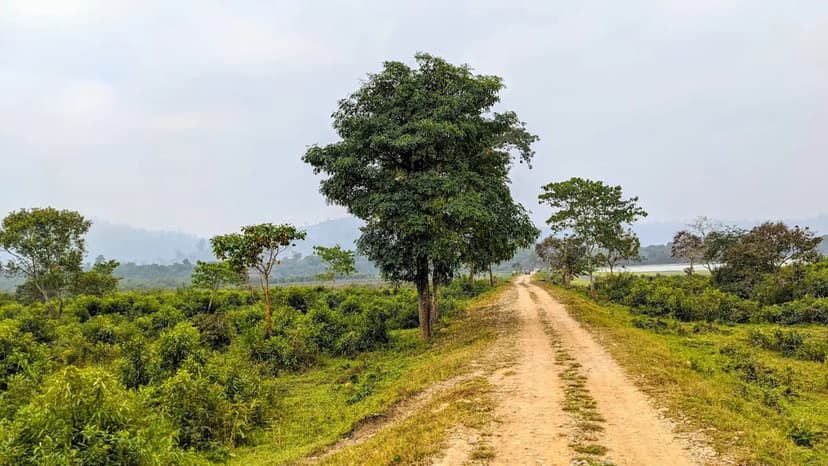
Human infrastructure expansion in India is increasingly leading to dangerous conflicts with wildlife, threatening conservation efforts and local communities. Herds of elephants are trampling vital crops and destroying fences, while train collisions have become a significant cause of mortality for species like elephants and tigers. These escalating conflicts underscore the delicate balance required between human development and environmental protection.
The consequences of human-wildlife conflict extend beyond immediate damage, impacting the broader ecosystem and public health. A notable example is the dwindling vulture population, largely a result of human actions. This decline has led to unmanaged animal carcasses, posing public health threats in areas where vultures once played a crucial role in decomposition.
Addressing this pressing issue necessitates comprehensive national-level planning and collaborative efforts. Initiatives like installing elephant-friendly fences and restoring traditional animal migration corridors are being developed to mitigate these conflicts. Such measures aim to foster coexistence and ensure the sustainable development that protects biodiversity.