Home / Environment / India's Water Crisis: Soil is the Solution
India's Water Crisis: Soil is the Solution
11 Nov
Summary
- India faces critical groundwater depletion, with extraction exceeding replenishment.
- Traditional methods like Rajasthan's johads can capture and store rainwater effectively.
- Living soil acts as a superior water filter compared to manufactured systems.
India faces a significant groundwater deficit, with extraction rates exceeding replenishment. As of 2026, groundwater extraction averages 60.4%, critically low in many areas. Urban expansion, particularly in cities like Bengaluru, has led to aquifers being paved over for construction, exacerbating the problem. Water scarcity has triggered protests, such as those seen in Indore this year, where citizens demanded basic water provision as borewells ran dry.
The article proposes a paradigm shift, urging India to view soil not merely as a medium for agriculture but as a vital, living water filter. Rich soil purifies water through natural processes, removing contaminants. This approach contrasts with the current reliance on concrete infrastructure. Traditional Indian water management systems, like Rajasthan's johads and community tanks, demonstrate a historical capacity to capture rain and sustain water availability through dry periods.
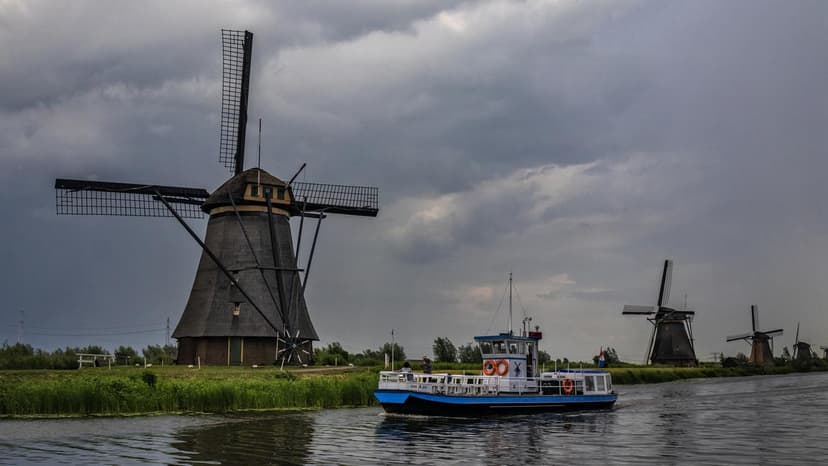
Drawing inspiration from the Netherlands' 'De Kwal' filtration system, which uses dunes, reeds, and forests to purify water, the article highlights the potential of natural filtration. This system pumps contaminated water into the soil, where it is naturally cleaned before further purification by reed beds. The author suggests that investing in living soil, rather than solely manufactured technologies, could be the most sophisticated solution for India's water security.


