Home / Environment / India's Water Woes: Adapting to Rainy Uncertainty
India's Water Woes: Adapting to Rainy Uncertainty
5 Aug
Summary
- India faces water variability due to erratic monsoon patterns.
- Urban and rural areas are impacted by intense rainfall and droughts.
- Intelligent water systems are needed to manage climate unpredictability.
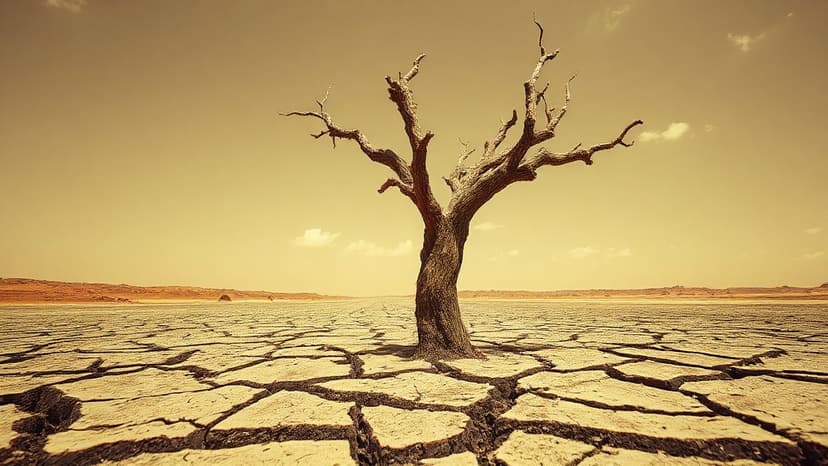
India's economic fortunes are profoundly shaped by its southwest monsoon, which is exhibiting increasing variability. Forecasts for 2026 predicted below-normal rainfall, yet the season has brought both torrential downpours and prolonged deficits across the country. This shift from water scarcity to water variability presents significant challenges for agriculture, where millions of farmers depend on rainfall, and for urban areas struggling with overwhelmed drainage systems.
To address this, India must transition to intelligent water systems. Rethinking water infrastructure design to incorporate probabilistic forecasts and climate outlooks is paramount. Accelerating technology adoption, such as AI-enabled reservoir operations and smart distribution networks, will enhance efficiency and reduce risks. Treating water as a circular resource, prioritizing freshwater for drinking and agriculture while reusing treated wastewater, offers another vital solution.
Furthermore, agricultural strategies must integrate water efficiency, micro-irrigation, and crop planning aligned with local water availability. Urban areas need to capture and manage rainfall through enhanced rainwater harvesting and decentralized storage. These interventions require a coherent framework recognizing climate variability as the new planning reality, moving beyond managing scarcity to managing variability for future water security.


