Home / Environment / India's Waste Crisis: Circularity is the Only Way Out
India's Waste Crisis: Circularity is the Only Way Out
3 Jan
Summary
- India faces mounting waste challenges with projections of 165M tonnes by 2030.
- Circular economy model promotes waste as a valuable resource for growth.
- Plastic and construction waste pose significant environmental and health threats.
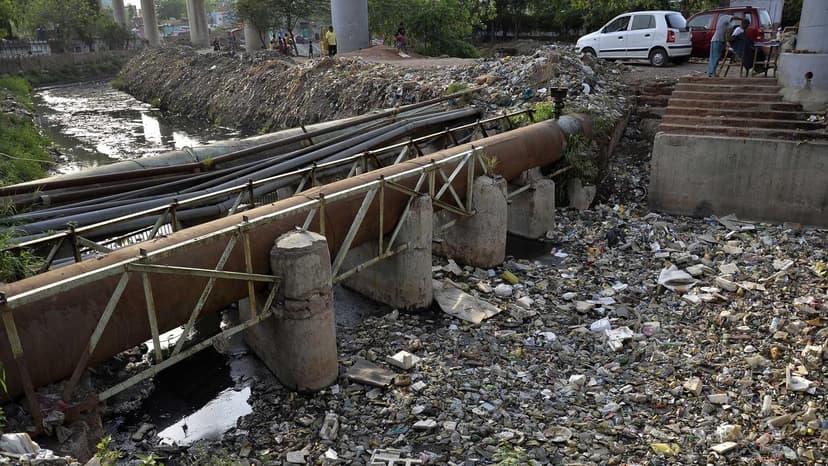
India's urban centers are grappling with an unprecedented waste management challenge, with projections estimating annual waste generation to reach 165 million tonnes by 2030. This growing burden poses significant threats to public health, the economy, and the climate. The 30th Conference of the Parties (COP30) in November 2025 emphasized the critical role of circularity, promoting waste as a resource for inclusive growth and cleaner environments.
The nation's Swachh Bharat Mission (SBM) aims for Garbage Free Cities by 2026, recognizing that a comprehensive circular economy model is essential. This involves shifting from a linear 'take-make-dispose' system to one that minimizes waste and maximizes resource recovery. While over half of municipal waste is organic and manageable, plastic and construction/demolition waste present persistent issues requiring innovative solutions and stricter adherence to regulations.
Achieving a circular economy faces hurdles, including inadequate infrastructure, quality control for recycled products, and policy enforcement for waste generators. Enhancing citizen participation through incentives and penalties is vital. Initiatives like the 'Cities Coalition for Circularity (C-3)' aim to foster knowledge sharing, but robust policy backup and entrepreneurial engagement are crucial for transforming India's waste into valuable national resources.