Home / Environment / Sardine Crisis Looms: Overfishing and Climate Change Threaten Catch
Sardine Crisis Looms: Overfishing and Climate Change Threaten Catch
22 May
Summary
- Overfishing and climate shifts pose serious threats to India's sardine population.
- Atmospheric pressure is the strongest factor influencing sardine numbers.
- A 40-50% increase in fishing pressure could cause sharp declines.
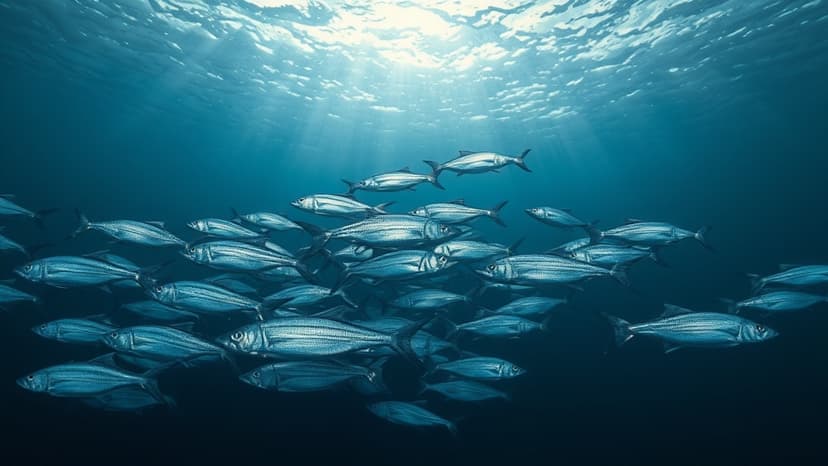
Thousands of coastal households in India are facing potential impacts from a significant decline in the sardine catch along the country's southwest coast. Researchers have warned that a combination of increasing fishing pressure and climate-related changes could severely affect sardine numbers. This is based on a comprehensive study analyzing over five decades of fish catch data.
The research, utilizing a climate-driven population model called BIOFIM, accurately reproduced historical fluctuations in sardine catch, including a notable crash between 1980 and 2000. The study found that atmospheric pressure has the strongest correlation with year-to-year changes in sardine abundance, influencing winds and ocean currents critical for nutrient-rich upwelling.
Furthermore, the study identified a narrow optimal temperature range for sardine growth, between 25.5-26.5°C. Temperatures exceeding this threshold make feeding conditions unfavorable. Scientists project a sharp decline in sardine numbers if fishing pressure increases by 40-50%, emphasizing the combined risks of environmental stress and overfishing on long-term sustainability.


