Home / Environment / India's Recycling Revolution: Quality Over Quantity
India's Recycling Revolution: Quality Over Quantity
2 Sep
Summary
- India's recycling growth focuses on quality, traceability, and technology.
- Companies like Colgate-Palmolive are making toothpaste tubes recyclable.
- JSW Group aims for net-zero emissions by 2050 and uses steel slag for cement.
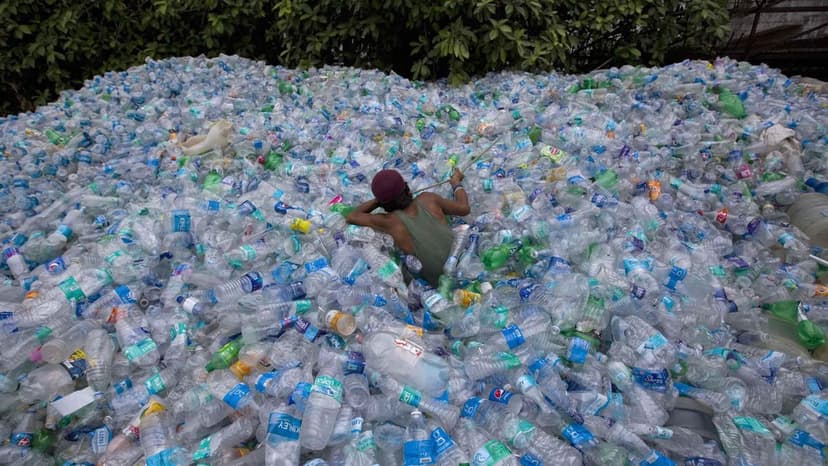
India's recycling industry is experiencing a significant evolution, driven by regulatory changes and a focus on circular economy principles. Industry experts at a recent recycling show in Mumbai highlighted that future growth will emphasize quality, traceability, and technology rather than just increasing volumes. This shift is supported by rising demand for secondary materials, particularly in the packaging and automotive sectors.
Companies are stepping up their sustainability efforts. Colgate-Palmolive India has made all its toothpaste tubes manufactured in India recyclable and has engaged in extensive community waste collection programs. JSW Group is actively reducing its environmental footprint by converting steel slag into cement and aims for net-zero emissions by 2050. They also reported that two-thirds of JSW Energy's portfolio is renewable.
Further progress is seen in sectors like e-waste and battery recycling, which are becoming more organized and technology-driven. Experts noted that advanced sorting technologies, such as sensor-based sorting, are crucial for improving feedstock quality and enabling higher-value material recovery. Extended Producer Responsibility (EPR) mandates are expected to significantly boost the demand for recycled plastics, creating a more viable market for collection infrastructure and recycling capacity.


