Home / Environment / Waste Burden Shifts: Big Generators Now Handle Own Trash
Waste Burden Shifts: Big Generators Now Handle Own Trash
28 Jan
Summary
- Large entities must process their organic waste on-site or hire professionals.
- New rules mandate waste sorting into wet, dry, sanitary, and special care.
- Environmental compensation applies for non-compliance under new waste rules.
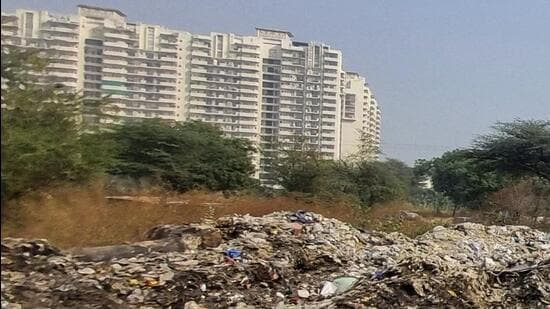
Effective April 1, India's Union environment ministry has introduced new Solid Waste Management Rules, superseding the 2016 framework. These regulations place the responsibility of processing organic waste onto large commercial and residential entities, such as malls, hotels, and housing societies, who are designated as "bulk waste generators." These entities must either manage their waste on-site or contract professional waste management services, obtaining an Extended Bulk Waste Generator Responsibility (EBWGR) certificate.
The revised rules necessitate the segregation of trash into four distinct streams: wet waste for composting, dry waste for recycling, sanitary waste, and special care waste. This initiative aims to significantly alleviate the pressure on overextended municipal governments and foster a decentralized waste management system. The rules also integrate principles of the circular economy and extended producer responsibility.
Furthermore, the new framework allows for user fees on waste generators and introduces environmental compensation for non-compliance, guided by the "polluter pays" principle. The Central Pollution Control Board will establish guidelines for buffer zones around waste processing facilities, intended to expedite land allocation and encourage efficient waste management practices nationwide.