Home / Environment / Rivers: India's Hidden Architects of Wilderness
Rivers: India's Hidden Architects of Wilderness
15 Feb
Summary
- Rivers sculpt valleys and sustain wetlands in Indian national parks.
- Wildlife sightings often occur along riverbanks in protected areas.
- Rivers are the ecological backbone supporting India's national parks.

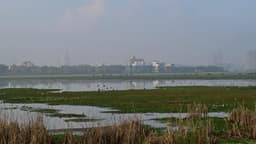
Rivers play a profound role in shaping India's national parks, influencing everything from topography to wildlife distribution. These waterways actively sculpt valleys, replenish grasslands, and sustain vital wetland ecosystems within protected areas.
During the arid summer months, rivers become essential lifelines for flora and fauna. In contrast, the monsoon season sees them reshaping entire ecological landscapes.
Many of India's most memorable wildlife observations, including tigers at dusk and elephants bathing at sunset, are commonly sighted along these riverbanks.
From the extensive floodplains of Assam to the dense forests of central India and the elevated valleys of the Himalayas, rivers are fundamentally integral to the survival and structure of the nation's protected wilderness.