Home / Environment / India's Monsoon Meltdown: Floods and Droughts Clash
India's Monsoon Meltdown: Floods and Droughts Clash
23 Jul
Summary
- June 2026 saw a 40% rainfall deficit, fifth driest in over a century.
- Extreme rainfall events tripled in central India as average monsoon declined.
- States' adaptive capacity varies, impacting disaster outcomes significantly.
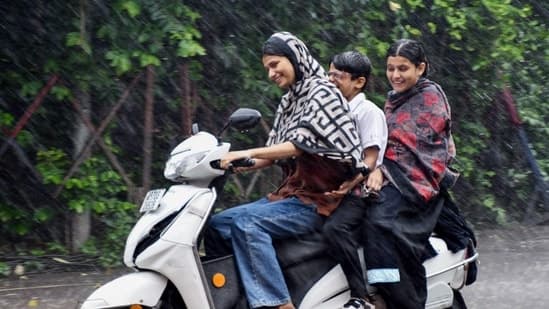
India's most pressing climate issue is not just rainfall extremes, but a fundamental deficit in climate vulnerability and adaptive capacity. An unpredictable monsoon, manifesting as both droughts and floods, has exposed this weakness. June 2026 recorded a substantial 40% rainfall deficit, marking it as the fifth driest in over a century. This trend reflects a deeper shift, with extreme rainfall events in central India tripling while average monsoon rainfall declines.
The nation's climate response is largely reactive, with many states struggling to adapt due to constrained institutions and planning systems. A 2025 report highlighted that over half of Indian states face above-average climate vulnerability. Adaptive capacity varies significantly across states, influenced by governance, infrastructure, and early warning systems.
Events like the July 2026 floods in Pune and Pimpri-Chinchwad underscore the uneven impact of climate hazards. Vulnerability is shaped by weak services, infrastructure gaps, and local preparedness, demonstrating that even strong adaptive capacity cannot eliminate risk. A climate-resilience strategy requires a proactive approach focusing on risk mapping and resilient infrastructure.
Building anticipatory and inclusive adaptive capacity is crucial for preventing climate hazards from escalating into public health, livelihood, and economic crises. This involves strengthening early warning systems and local institutions, shifting from reactive disaster response to long-term proactive adaptation.


