Home / Environment / Forgotten Grains: India Reclaims Its Rice Heritage
Forgotten Grains: India Reclaims Its Rice Heritage
25 Aug
Summary
- Farmers and conservationists are reviving over 100 traditional rice varieties.
- Heirloom rice offers enhanced climate resilience and health benefits.
- Government initiatives and NGOs support the return of indigenous rice strains.
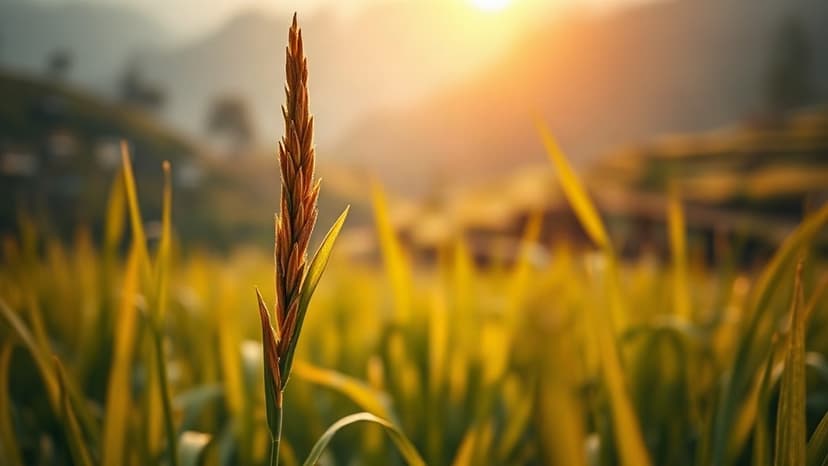
India is experiencing a significant revival of its traditional rice varieties, which were once disappearing due to the promotion of high-yield monocultures. Enthusiastic farmers, conservationists, NGOs, and state governments are actively working to bring these heirloom grains back into cultivation.
Individuals like Sathyanarayana Beleri in coastal Karnataka are preserving over 100 traditional paddy varieties, distributing seeds to farmers and agricultural universities. Beleri emphasizes the necessity of cultivating climate-resilient strains as climate change impacts agriculture. The Rao family in Belthangady has conserved 180-190 varieties since 1988, highlighting the role of paddy cultivation in groundwater recharge and rainwater harvesting.
Organizations like Kerala-based Thanal, through its 'Save Our Rice' campaign started in 2004, have been instrumental in this revival, working with partners across multiple states. This movement has successfully reintroduced numerous traditional varieties into markets, with some, like Kaima, gaining popularity for dishes such as biryani. Consumer demand is growing due to traditional rice being more filling and having a better taste after cooking.
Government initiatives, such as Tamil Nadu's State Heritage Rice Mission, have actively promoted native varieties, leading to increased cultivation and better income for farmers. In Karnataka, efforts are underway to document and promote landraces, with incentives provided to farmers. Restaurants are also championing these rare indigenous rice types, showcasing their unique stories and culinary potential.
The movement extends beyond India's borders, with organizations like Amar Khamar touring Europe to present tasting menus centered on heritage rice. However, challenges remain, including ensuring the authenticity of heritage rice sold in markets, leading to initiatives focused on traceability and building seed banks to guarantee the integrity of these revived grains.


